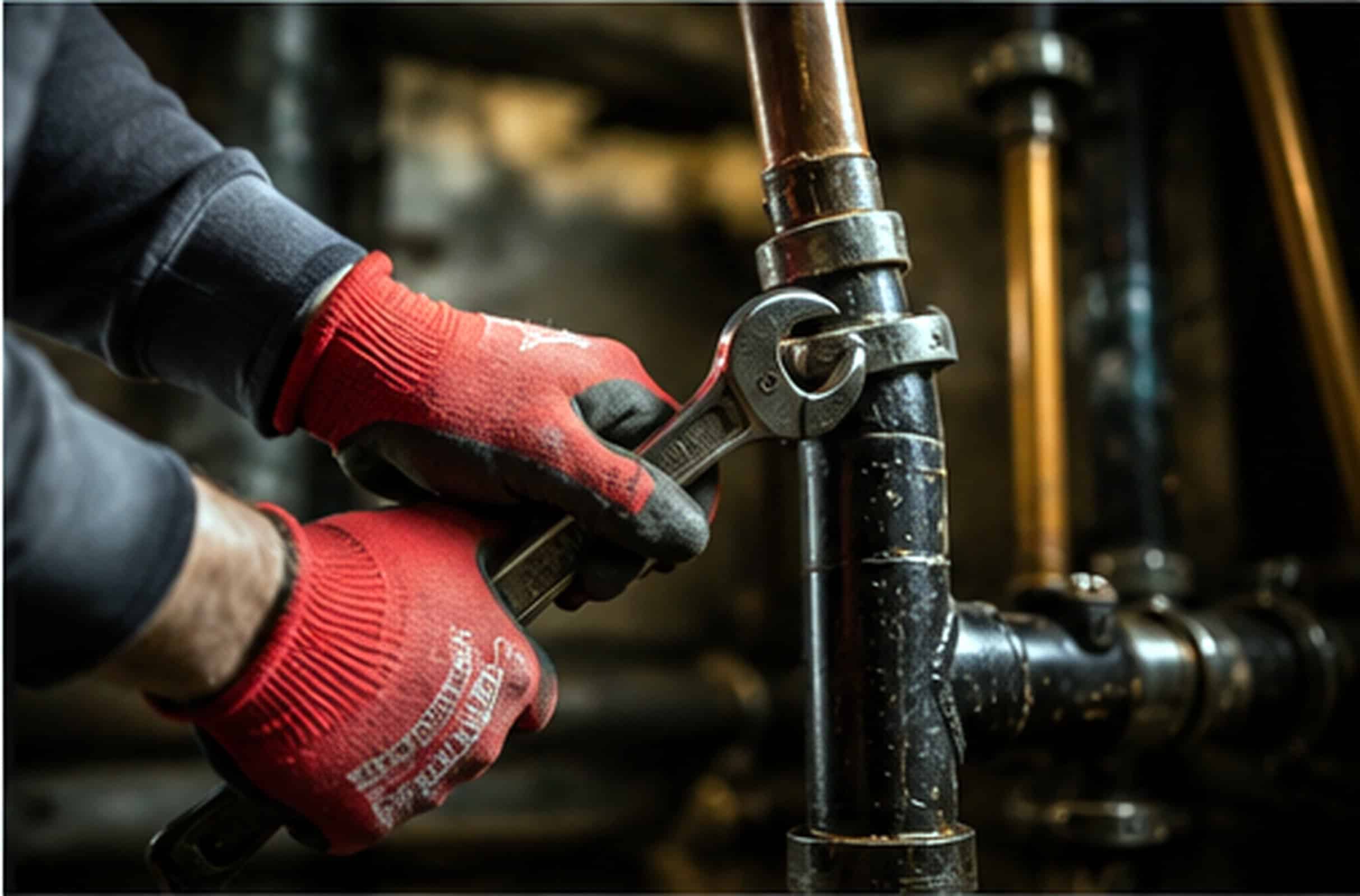
Not all sewage cleanup companies are created equal. Licensed, insured professionals follow strict protocols that protect your family and property from contamination risks unlicensed contractors can't handle.
Share:
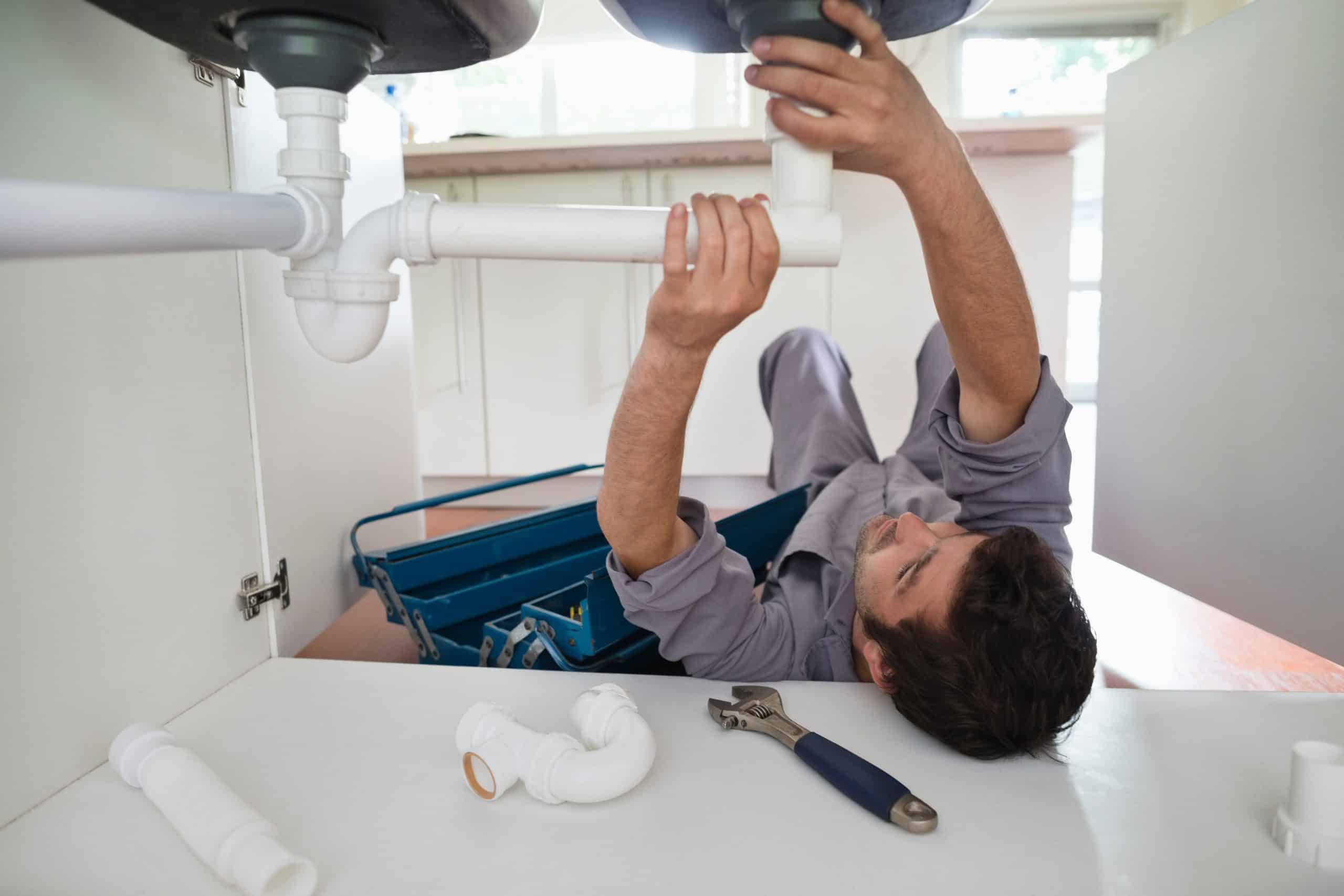
Summary:
Sewage backing up through your drains isn’t just unpleasant. It’s a genuine health emergency that puts everyone in your home at risk. Raw sewage contains bacteria, viruses, and pathogens that can make you seriously ill—and it spreads fast through porous materials like drywall, carpet, and wood. You need it handled right, and you need it handled now.
But here’s what most people don’t realize until it’s too late: not every company offering sewage cleanup is actually qualified to do the work safely. Some aren’t licensed. Some aren’t insured. And when things go wrong—property damage, incomplete cleanup, or someone getting hurt—you could be the one left holding the bill.
This guide walks you through what licensed sewage backup cleaning services actually do differently, what you should look for when comparing companies, and why cutting corners on this particular problem almost always costs more in the long run.
Professional sewage cleanup isn’t just about removing visible waste and mopping up. It’s a multi-step process that addresses contamination at every level—from the initial extraction to preventing mold growth weeks later.
Licensed companies follow IICRC standards, which means we’re trained to handle what the industry calls Category 3 water. That’s the most contaminated type—raw sewage, toilet overflows with feces, and floodwater from rivers. A single milliliter of raw sewage can contain over one million bacteria. You’re not dealing with a mess. You’re dealing with a biohazard.
Here’s what the process actually involves. First, we assess the extent of contamination and identify safety hazards like electrical risks or structural concerns. Then we contain the affected area to prevent sewage from spreading to clean spaces. Extraction comes next—specialized equipment removes standing water and sewage quickly to limit absorption into building materials. After that, contaminated materials that can’t be salvaged get removed and properly disposed of. This often includes carpet, padding, drywall, insulation, and anything porous that absorbed sewage.
Once removal is complete, the real cleaning begins. Industrial-grade disinfectants and antimicrobial treatments eliminate bacteria and viruses on all surfaces. High-powered air movers and dehumidifiers dry out the space completely, because even small amounts of remaining moisture create perfect conditions for mold. Finally, odor removal techniques ensure your home doesn’t smell like a sewer long after the cleanup is done.
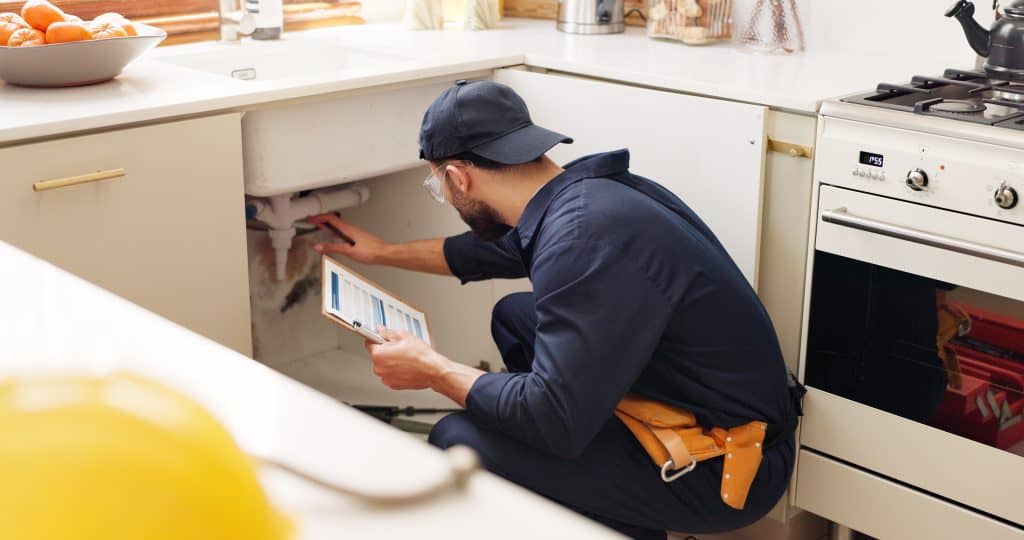
The health risks from sewage exposure are real and well-documented. A University of Maryland study found that 34 of 40 homes analyzed still had at least one kind of harmful bacteria after a sewage backup—some more than six months later. Fourteen of those homes had more than one pathogen present.
Sewage carries E. coli, Salmonella, and Campylobacter, which cause symptoms like vomiting, diarrhea, and fever. It also contains viruses like Hepatitis A and Norovirus that spread quickly through contaminated surfaces. Even inhaling airborne particles from sewage water can lead to respiratory infections. That’s why we wear full personal protective equipment—hazmat suits, NIOSH-approved respirators, gloves, and eye protection.
But it’s not just about protecting the cleanup crew. It’s about protecting you and your family from exposure during and after the work. As a licensed company, we understand cross-contamination risks. We know how to isolate work areas, how to safely bag and dispose of contaminated materials, and how to verify that surfaces are actually clean—not just visually clean, but microbiologically safe.
This matters more in Cook County than in many other areas. Chicago was built on what was essentially a swamp. The high water table and combined sewer system mean that when it rains hard, sewage doesn’t just back up—it can affect entire neighborhoods. The city’s sewer system gets overwhelmed after just two-thirds of an inch of rainfall in an hour. That’s not a lot. And when 35,000 residents experienced flooding in 1997, it drove home how serious this problem can be locally.
As a professional sewage cleanup company in this area, we understand these regional challenges. We know the infrastructure, the common causes of backups in older Chicago homes, and how to work within local health department requirements. That local expertise matters when you’re trying to prevent the same problem from happening again.
Here’s where the difference between licensed and unlicensed really shows up. And it’s not just about paperwork.
Licensed contractors have met specific requirements set by the county and state. We’ve demonstrated knowledge of proper waste handling, disposal regulations, and system maintenance. We carry liability insurance and workers’ compensation, which means if something goes wrong—equipment damages your property, a worker gets injured on site, or contamination spreads—you’re protected. Our insurance covers it.
Unlicensed contractors don’t have that coverage. If someone working for them gets hurt in your home, you could be liable for their medical bills. If they damage your property with improper equipment use, you’re paying to fix it. If they dump your sewage illegally—and yes, this happens—you could face county fines and mandatory cleanup costs. That $200 you saved on the initial quote doesn’t look like much when you’re facing tens of thousands in unexpected expenses.
There’s also the issue of what happens after the cleanup. Insurance companies ask whether the contractor was properly licensed when you file a claim. If the answer is no, they may deny your claim entirely. Standard homeowners insurance doesn’t cover sewage backup without a specific endorsement anyway, but even if you have that coverage, using an unlicensed contractor can void it.
Beyond the financial risk, there’s the quality issue. Unlicensed workers often skip critical steps. They might not check outlet baffles or effluent filters. They might not properly dispose of contaminated materials. They might not follow sanitization protocols that actually eliminate pathogens. And weeks or months later, you’re dealing with mold growth, lingering odors, or recurring backups because the root cause was never addressed.
As licensed professionals, we document everything. We take photos, keep detailed records, and provide you with certificates of completion that prove the work was done to code. This documentation matters for insurance claims, for your own peace of mind, and if you ever sell your home and need to disclose past water damage.
You also get accountability. Licensed companies have reputations to protect, business licenses that can be revoked, and insurance policies that require us to follow industry standards. If something goes wrong, you have recourse. With unlicensed contractors, if they cancel, damage something, or simply stop responding, there’s little you can do.
When sewage is backing up into your home, you don’t have time to do hours of research. But you do need to make sure you’re hiring someone qualified. Here’s what to verify before you commit.
First, confirm they’re licensed, bonded, and insured. Ask for their license number and verify it with the county. Ask about their insurance coverage—both general liability and workers’ compensation. A legitimate company will provide this information immediately without hesitation.
Second, check for IICRC certification. The Institute of Inspection, Cleaning and Restoration Certification sets industry standards for water damage restoration and sewage cleanup. Certified technicians have been trained in proper protocols, safety measures, and the science behind contamination removal. This isn’t optional training. It’s the baseline for doing this work correctly.
Third, find out about their emergency response time. Sewage cleanup is time-sensitive. The longer contaminated water sits, the more damage it causes and the higher your health risks become. Companies that offer 24/7 emergency service and can be on-site within an hour or two are the ones you want.
Fourth, ask about their process. How do they handle extraction? What equipment do they use? How do they determine which materials can be saved versus which need to be removed? What sanitization products do they use? A professional company will walk you through their process clearly and answer your questions without making you feel like you’re bothering them.
Fifth, get everything in writing. Upfront pricing, scope of work, timeline, and what’s included in the service. No surprises, no hidden fees, no vague estimates that balloon once work starts.
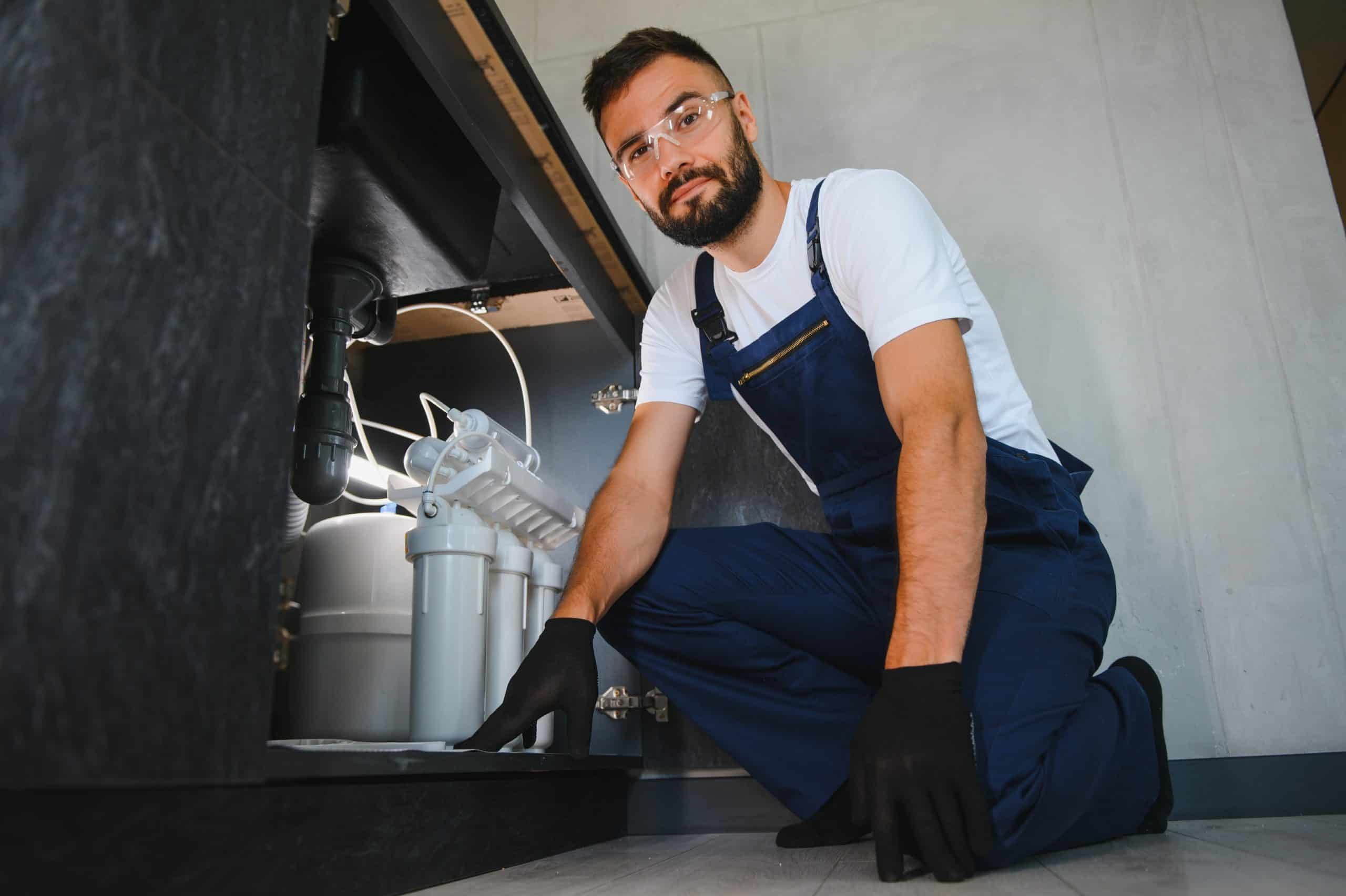
Here’s what actually happens when you call a professional sewage cleanup company for an emergency.
The call comes in, and we confirm your location and the nature of the problem. We ask key questions: Is sewage still actively flowing? Is anyone in the home experiencing symptoms? Are there electrical hazards? This helps us send the right team with the right equipment.
Our crew arrives—usually within an hour or two for true emergencies. We assess the situation first. Where is the sewage coming from? How much contamination is present? What areas are affected? Are there any immediate safety concerns? This assessment determines the scope of work and helps us give you an accurate estimate before we start.
Once you approve the estimate, we begin containment. Plastic sheeting goes up to isolate the contaminated area from the rest of your home. This prevents cross-contamination and keeps sewage from spreading to clean areas while we work.
Extraction starts next. Truck-mounted pumps and industrial wet vacuums remove standing sewage and water. The goal is to get as much liquid out as quickly as possible. Every minute it sits, it’s soaking deeper into your floors, walls, and belongings.
Then comes the removal phase. Anything that absorbed sewage and can’t be properly sanitized gets bagged and disposed of according to local regulations. This is often the hardest part for homeowners to watch—seeing carpet, furniture, or personal items get thrown out. But porous materials that have been in contact with raw sewage can’t be saved. The health risk is too high.
After removal, the deep cleaning begins. Every surface gets treated with hospital-grade disinfectants. Walls, floors, subflooring, studs—anything that was exposed but can be salvaged gets scrubbed and sanitized. Then antimicrobial treatments go on to prevent bacterial growth.
Drying equipment moves in next. Air movers create airflow to evaporate moisture. Dehumidifiers pull water out of the air. Moisture meters track progress to ensure everything is completely dry. This phase can take several days, and it’s critical. If moisture remains, mold will grow.
Finally, odor removal. Even after everything is clean and dry, sewage smells can linger. Professional deodorization techniques—not just air fresheners—neutralize odors at the molecular level.
Throughout the process, we document everything with photos and detailed notes. This documentation is essential for your insurance claim. We’ll even work directly with your insurance adjuster to streamline the claims process and make sure you get the coverage you’re entitled to.
Cost is obviously a concern when you’re facing an emergency. Sewage cleanup typically ranges from $2,000 to $10,000 depending on the extent of contamination, though severe cases can exceed $50,000. The variables that affect cost include the amount of sewage, how long it sat before cleanup started, which materials can be saved versus replaced, and whether there’s structural damage.
Here’s what most people don’t know about insurance: standard homeowners policies don’t cover sewage backup. You need a specific endorsement, which typically costs $40 to $250 per year and provides $5,000 to $25,000 in coverage. If you don’t have this endorsement, you’re paying out of pocket.
If you do have coverage, using a licensed, insured company is essential. Insurance companies require professional mitigation and proper documentation. If you try to clean it yourself or hire an unlicensed contractor, your insurer may deny part or all of your claim. They need to see that industry-standard protocols were followed.
We work directly with insurance companies. We know what documentation adjusters need, how to write estimates that align with insurance requirements, and how to communicate effectively with claims departments. This can make the difference between getting your claim approved or fighting for coverage.
We also offer financing options for customers who don’t have insurance coverage or whose out-of-pocket costs are significant. Payment plans make it possible to get the work done right without waiting or trying to cut corners to save money.
The real cost comparison isn’t between a licensed company and an unlicensed one. It’s between doing it right the first time versus dealing with recurring problems, health issues, mold remediation, and structural repairs down the road. Sewage cleanup done improperly costs more—not less—in the long run.
Sewage backups are more than just an inconvenience. They’re a health hazard, a property risk, and a problem that requires professional expertise to solve correctly. In Cook County, where aging infrastructure and combined sewer systems create unique challenges, having access to licensed, qualified sewage cleanup services isn’t optional—it’s essential.
The difference between licensed and unlicensed companies comes down to training, equipment, insurance, and accountability. Licensed professionals follow IICRC standards, carry proper insurance, and document their work to protect both you and themselves. We understand local regulations, know how to handle biohazards safely, and have the expertise to prevent long-term problems like mold growth or structural damage.
When you’re facing a sewage emergency, the company you choose matters. Look for licensed, bonded, and insured professionals who offer 24/7 response, transparent pricing, and a clear process. Make sure they’re IICRC-certified and willing to work with your insurance company. And don’t let price alone drive your decision—the cheapest option often becomes the most expensive when you factor in health risks, liability, and the cost of fixing work that wasn’t done right the first time.
If you’re dealing with sewage backup in your Cook County home or business, we provide licensed, professional sewage cleanup services with upfront pricing, 24/7 emergency response, and the local expertise Chicago homeowners need. Fast response, complete contamination removal, and the peace of mind that comes from working with qualified professionals who do it right.
Article details:
Share:
Continue learning: