Most Cook County homeowners don't think about emergency plumbers until something goes wrong. By then, the wrong assumptions can make a bad situation much worse.
Share:
Summary:
Nobody wants to be Googling “emergency plumber” at 1 AM while water spreads across their basement floor. But that’s exactly when most people in Cook County first start thinking seriously about this stuff — and by then, there’s no time to separate good information from bad. Some of the most common assumptions homeowners make about emergency plumbers are the ones that end up costing them the most. Before the next frozen pipe or sewer backup forces your hand, here are seven things worth getting straight.
The misconceptions that hurt Cook County homeowners most aren’t the complicated ones — they’re the ones that seem obvious until you look at them closely. Things like assuming “24/7” means what it says, or that waiting until morning is the safer financial move. These are the assumptions that turn a manageable plumbing problem into a much bigger one. Let’s go through them one by one.
This is the big one. Every plumbing company in the Chicago area advertises 24/7 emergency service. But there’s a significant difference between a company that routes after-hours calls to a voicemail or answering service and one that actually dispatches a technician at 2 AM on a Sunday in January.
The complaints that show up most often in Cook County plumbing reviews — across Yelp, Angi, and consumer research platforms — aren’t about bad workmanship. They’re about companies that claimed round-the-clock availability and then told a homeowner with an active leak to wait until morning. That’s not a 24/7 emergency plumber. That’s a business with a 24/7 phone number.
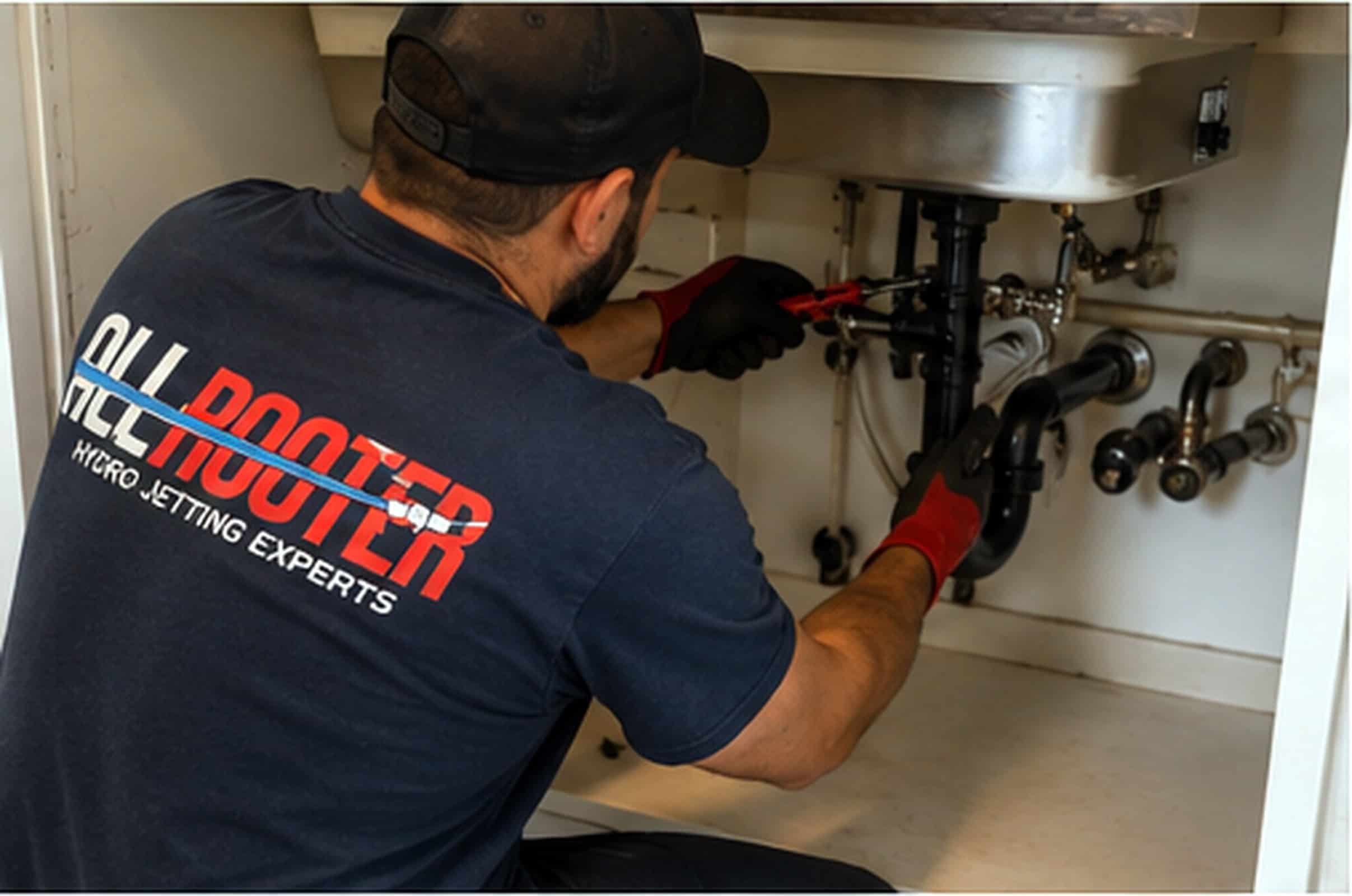
True emergency availability means a live person answers, gives you an honest ETA, and dispatches someone who can actually fix the problem — not just assess it. It also means the vehicle showing up is stocked with the parts and equipment needed for common emergencies, so the technician isn’t making three trips to a supply house while your basement fills with water.
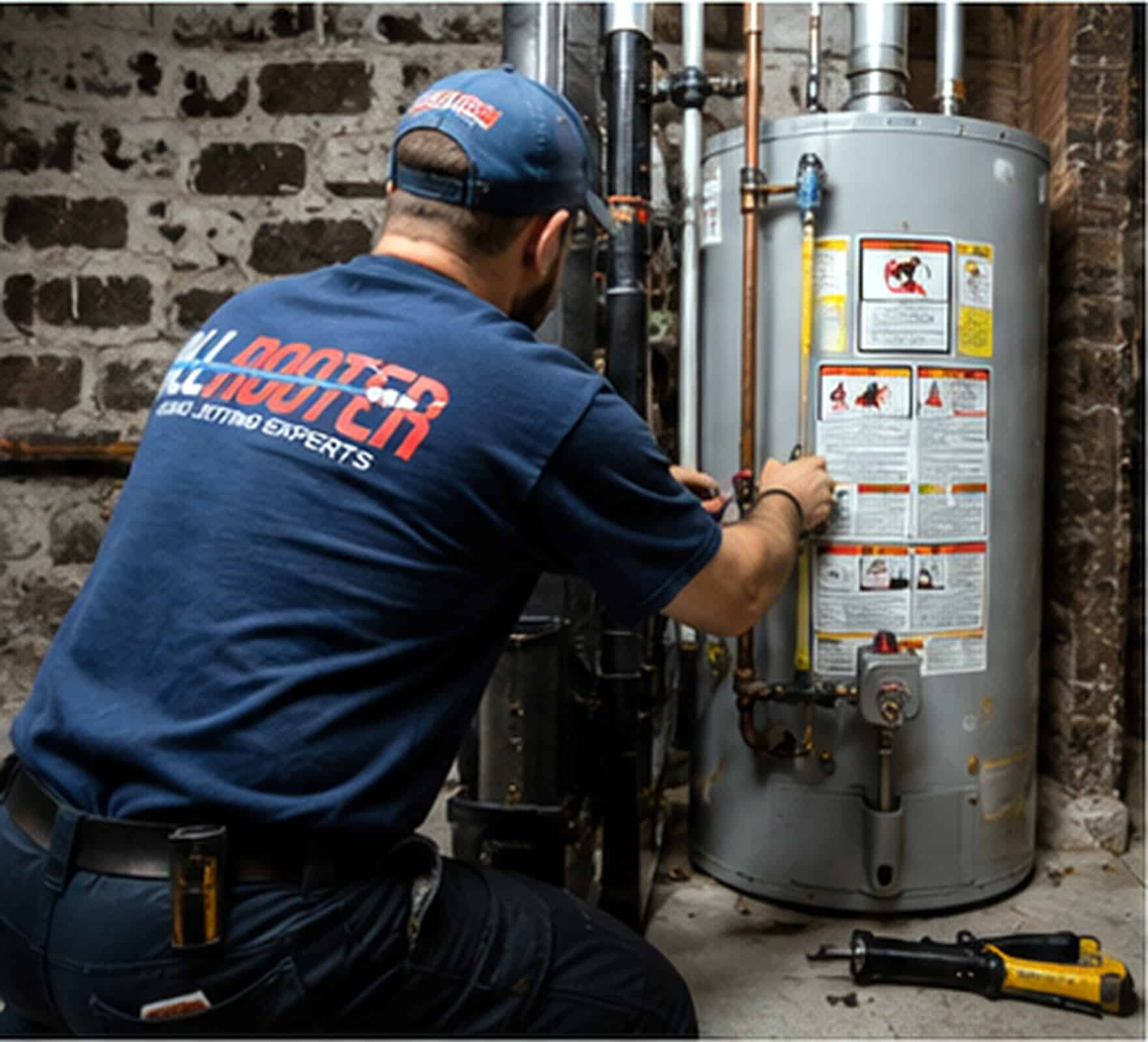
Our technicians live throughout the Chicagoland area. That matters in a region where a technician based on the North Shore isn’t going to reach a South Side bungalow in the same time as someone who lives nearby. We keep emergency vehicles equipped and ready specifically for winter pipe emergencies, and our typical response window during normal winter conditions is 60 to 90 minutes. That’s a specific number — not a marketing phrase.
If you call an emergency plumber and they can’t give you a realistic ETA, that’s useful information before you commit to waiting.
This one feels like smart financial thinking, and it’s almost always the wrong call. The logic goes: calling an emergency plumber at night costs more, so waiting until business hours saves money. The problem is that it assumes the situation stays the same overnight — and plumbing emergencies rarely do.
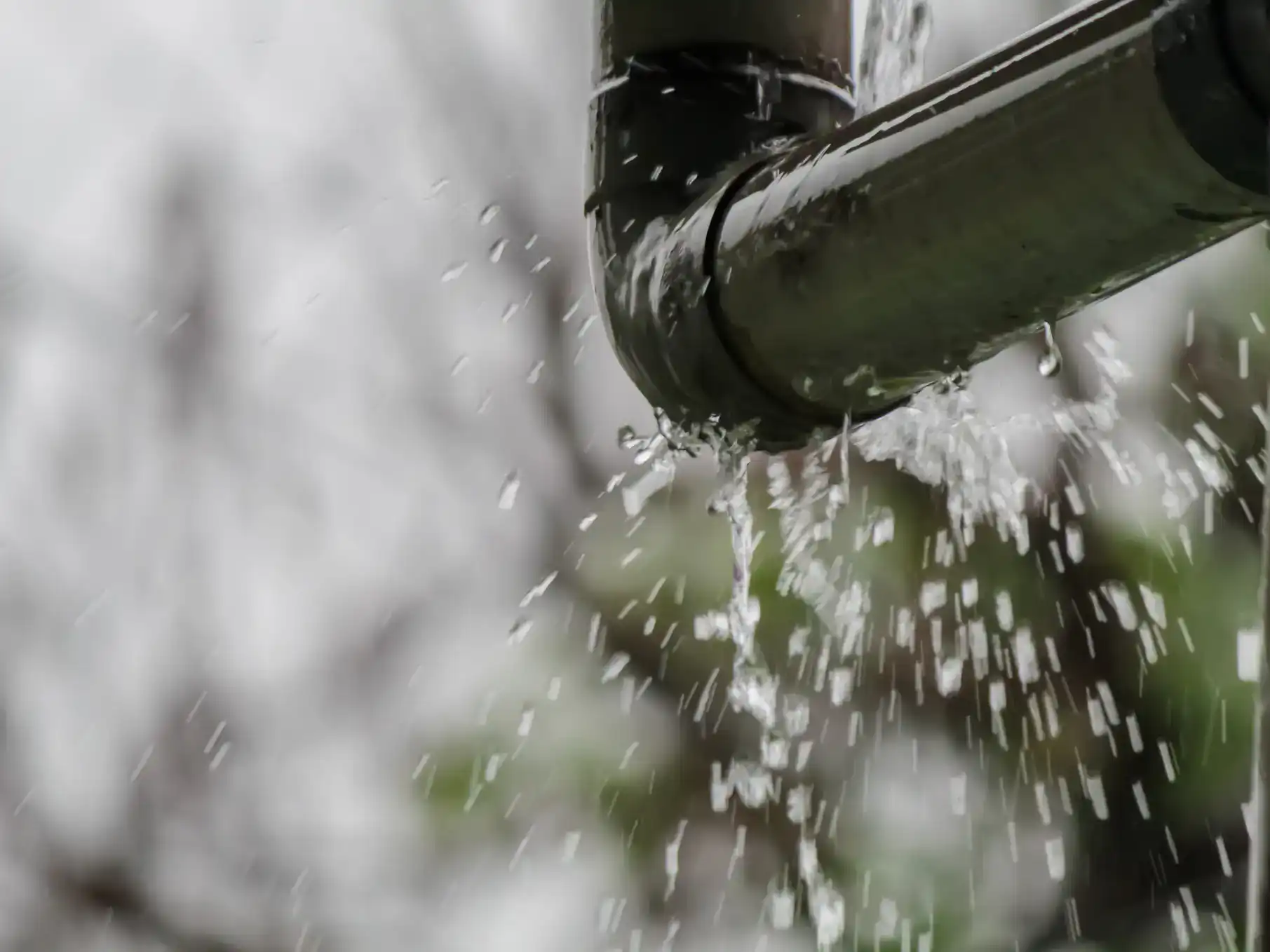
A slow leak that seems manageable at 11 PM can become a burst pipe by 4 AM if temperatures outside are dropping below 20°F, which happens regularly in Cook County from December through February. The older bungalows and two-flats that make up a huge portion of the housing stock on the South Side and in inner suburbs like Berwyn and Cicero often have pipes running through uninsulated spaces — exterior walls, unheated crawl spaces, basement ceilings — where cold air can accelerate a freeze fast. What looked like a problem you could sleep on becomes a water damage situation that affects flooring, walls, and personal belongings. Water damage restoration from a burst pipe can easily run into five figures. The emergency call you were trying to avoid would have cost a fraction of that.
The other part of this calculation is the after-hours surcharge assumption. Some companies do charge more for nights and weekends — but we don’t. We don’t add surge pricing during emergencies or bad weather. Our rates stay consistent regardless of when you call. So the financial case for waiting until morning is weaker than most people assume, especially when the alternative is watching a problem get worse for six hours.
If you’re unsure whether your situation qualifies as a true emergency, a quick call to get a real assessment costs you nothing. The answer might surprise you.
Getting the right emergency plumber to your door quickly is only part of the equation. What happens once they’re there — how they diagnose the problem, what they tell you before work begins, and what “fixed” actually means — is where a lot of Cook County homeowners run into trouble the second time around. These are the assumptions that lead to repeat service calls, unexpected bills, and the frustrating sense that nothing was actually resolved.

If you’ve had a plumber clear a drain and watched the same problem return within a few weeks, you’re not alone — and it’s not always bad luck. It often comes down to the difference between clearing a clog and actually addressing what caused it.
Traditional drain rodding punches a hole through a blockage. It’s fast, it works in the moment, and it leaves the underlying problem largely intact. In Cook County’s older homes — many of which have cast iron drain lines that have been in the ground for 50 to 80 years — the real culprit is often tree root intrusion, years of grease and mineral buildup along pipe walls, or a section of pipe that’s partially collapsed. Rodding gets water moving again, but it doesn’t remove the roots, it doesn’t clean the pipe walls, and it doesn’t flag the structural issue.
Hydro jetting is a different approach. It uses water pressure exceeding 4,000 PSI to clear pipe walls completely — not just punch through the immediate blockage. For the kind of mature urban tree canopy you find throughout Cook County neighborhoods, where large parkway trees have had decades to grow roots into aging sewer lines, hydro jetting is often the difference between a two-week fix and a lasting one.
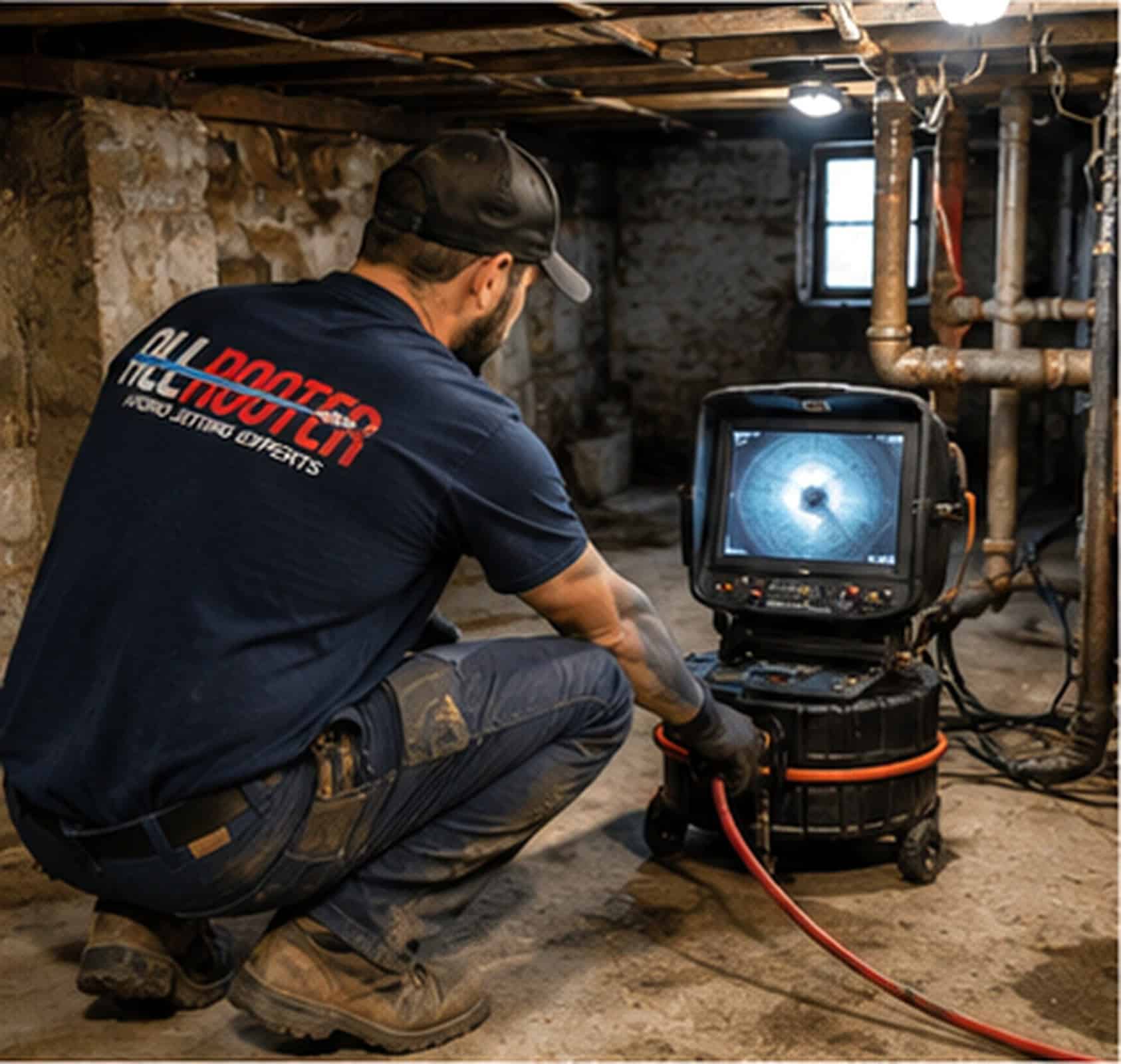
We also use camera inspections after clearing drain and sewer lines. That’s not an upsell — it’s how you actually verify the problem is solved rather than just assuming it is. Showing you the footage means you’re not taking our word for it. It also means that if there’s a structural issue in the line, you know about it before it turns into a bigger emergency rather than after.
A plumber who clears your drain without looking at why it blocked in the first place is solving the symptom. The question worth asking is whether they’re solving the cause.
Most homeowners know they should hire a licensed plumber. Fewer know that in Chicago specifically, there are two separate licensing requirements — and a plumber can hold one without the other.
Illinois requires all plumbers to be licensed through the Illinois Department of Public Health under the Plumbing License Law (225 ILCS 320). The state maintains a searchable database where you can verify any plumber’s license in a couple of minutes. But the City of Chicago also issues its own plumbing contractor license through the Department of Buildings, separate from the state IDPH license. If work is being done within Chicago city limits, your plumber should hold both. This dual-licensing requirement is specific to Chicago — it doesn’t apply the same way in most other Illinois municipalities — and it’s something a lot of homeowners don’t know to ask about until something goes wrong.
Beyond credentials, there’s the question of insurance. Illinois plumbing contractors are required to carry general liability insurance and workers’ compensation coverage if they employ workers. “Licensed, bonded, and insured” isn’t just a marketing phrase — it’s a meaningful distinction that affects what happens if something goes wrong during the job.
We are fully licensed, bonded, and insured, and we’ve been operating in Chicago and the surrounding Cook County area since 2000. That’s over 25 years of working in the specific infrastructure conditions this market presents — cast iron and galvanized pipes in older homes, Chicago’s combined sewer system, the freeze patterns that come with a genuine Midwest winter. Local experience with local licensing isn’t a minor detail. It’s the difference between a plumber who knows your neighborhood’s plumbing history and one who’s seeing it for the first time.
If a plumber can’t immediately provide their license number or confirm they hold a Chicago city contractor license for work inside city limits, that’s worth pausing on before you let them start.
The through-line in all seven of these misconceptions is the same: most of the frustration Cook County homeowners experience with emergency plumbers comes from a gap between what was promised and what actually happened. The fix isn’t complicated — it’s just a matter of knowing what to ask and what to expect before you’re standing in a flooded basement trying to figure it out in real time.
A good emergency plumber answers when you call, gives you a real ETA, tells you what the work will cost before starting, and doesn’t hand you a surprise invoice when it’s done. They look at the cause of the problem, not just the symptom. And when the job is finished, they show you it’s finished.
If you’re in Cook County and you want to talk through what’s going on with your plumbing — or you’ve got a situation that can’t wait — All Rooter Hydro Jetting Experts Inc. is available around the clock. Free estimates, upfront pricing, and financing through Hearth if you need it. Reach us by call or text at 708-669-3570.
Article details:
Share:
Continue learning: