
Sewage spills require immediate action and strict safety protocols. Learn the essential steps to protect your health, when you can handle cleanup yourself, and when professional help is necessary.
Share:

Summary:
The smell hits you first. Then you see it—raw sewage backing up into your basement or flooding your bathroom floor. Your mind races. What do you do right now? How do you protect your family? Can you handle this yourself, or do you need to call someone immediately?
Sewage spills aren’t just messy—they’re genuinely dangerous. Every minute that contaminated water sits in your home, bacteria multiply and toxic gases build up. But panic won’t help you here. What you need is a clear plan that prioritizes safety first, then cleanup.
Let’s start with what you’re actually dealing with and the immediate steps that protect your health before anything else.
Raw sewage isn’t just dirty water. It’s classified as Category 3 “blackwater”—the most hazardous type of contamination your home can face. This stuff contains human waste, chemicals, and a concentration of pathogens that would make your skin crawl if you could see them under a microscope.
We’re talking about E. coli, Salmonella, Hepatitis A, norovirus, and parasites like Giardia. One gallon of raw sewage can harbor up to 100 million bacteria. These aren’t numbers meant to scare you—they’re realities that explain why proper safety protocols aren’t optional.
But the danger doesn’t stop at what you can see. Sewage releases toxic gases including methane, hydrogen sulfide, and ammonia. Methane displaces oxygen and can cause dizziness or unconsciousness in enclosed spaces. Hydrogen sulfide attacks your respiratory system and can cause long-term lung damage. Ammonia irritates your throat and makes breathing difficult.
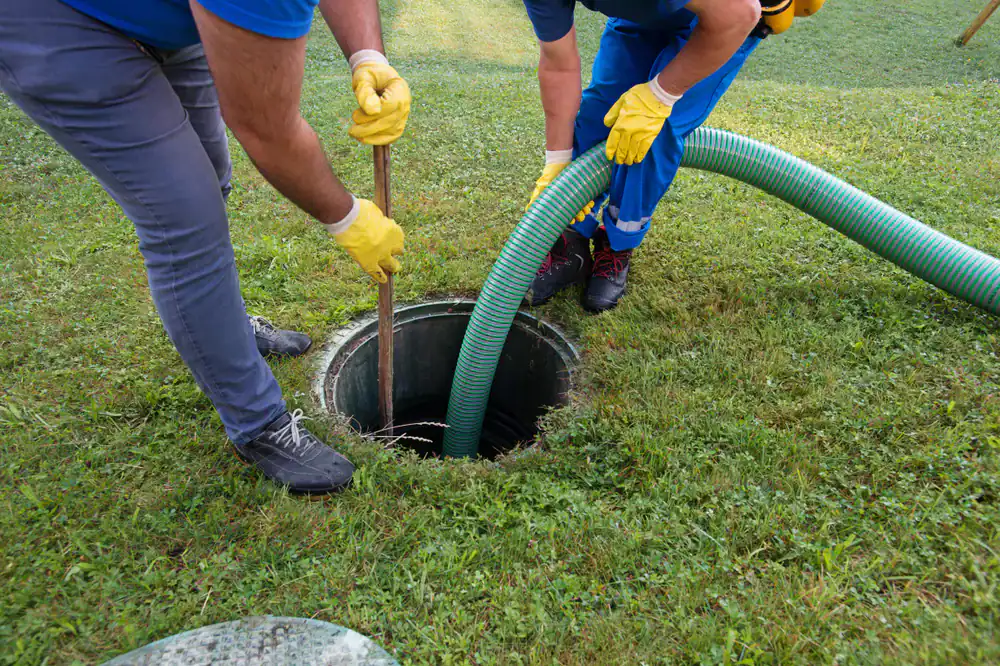
Direct contact with sewage water puts you at immediate risk for gastrointestinal illnesses. Symptoms start with vomiting, diarrhea, and fever—similar to severe food poisoning. But depending on which pathogens you’re exposed to, you could develop hepatitis, typhoid fever, or parasitic infections that cause weeks of digestive problems and fatigue.
Your skin offers some protection, but not much. Even a small cut or scratch becomes an entry point for bacteria. Skin contact commonly leads to rashes, irritation, and bacterial infections. In more serious cases, you’re looking at cellulitis or sepsis—infections that require immediate medical intervention and can become life-threatening.
Your eyes and respiratory system are equally vulnerable. Sewage splashes can cause severe eye infections like conjunctivitis. Inhaling contaminated droplets or breathing in those toxic gases we mentioned earlier leads to respiratory infections, pneumonia, bronchitis, and chronic lung issues if exposure continues.
Children, elderly family members, and anyone with compromised immune systems face even higher risks. For them, sewage exposure isn’t just unpleasant—it can be deadly. This is why the first rule of any sewage spill cleanup is keeping vulnerable people completely away from the contaminated area until professionals verify it’s safe.
And here’s something most people don’t think about: bacteria multiply fast. E. coli doubles its population every 20 minutes in the right conditions. A small spill you think you can “handle later” becomes exponentially more dangerous with each hour you wait. Mold starts colonizing damp surfaces within 24 to 48 hours, creating a secondary health hazard that’s expensive to remediate.
There’s a line between a manageable mess and a situation that requires professional intervention. That line exists at about 10 square feet—roughly a 3-foot by 3-foot area. This is the industry standard threshold where safety experts say DIY cleanup stops being advisable.
Why 10 square feet? Because that’s the point where the volume of contaminated water, the surface area requiring disinfection, and the pathogen load exceed what typical homeowners can safely handle with consumer-grade equipment. You’re not just pushing water around with a mop—you need specialized extraction equipment, commercial-grade disinfectants, and the knowledge to verify that every trace of contamination is actually gone.
Time matters just as much as size. If sewage has been sitting for more than 24 hours, you’ve missed the window for safe DIY cleanup. By that point, pathogens have multiplied exponentially, and mold has likely begun growing in hidden areas. What looks clean on the surface often hides contamination in subflooring, wall cavities, and other spaces you can’t easily reach.
Location creates another limitation. If sewage has reached tight corners, crawl spaces, or areas you physically cannot access for thorough cleaning, you won’t be able to eliminate the health risk. The smell will linger, bacteria will persist, and you’ll be living with ongoing contamination that affects your indoor air quality.
HVAC system contamination ends the DIY option immediately. If sewage or sewage fumes have entered your ductwork, those contaminants are now circulating throughout your entire home every time your heating or cooling system runs. You need professional decontamination to prevent spreading biohazards to every room in your house.
Recurring sewage backups signal a deeper problem with your sewer line—tree root intrusion, pipe collapse, or municipal system issues. Cleaning up the surface mess doesn’t solve anything if the source keeps causing new spills. You need a licensed plumber to diagnose and repair the underlying cause before you’re dealing with another emergency sewage situation next week.
Your own health status matters too. If you’re pregnant, immunocompromised, elderly, or dealing with any chronic health condition, sewage cleanup isn’t worth the risk. The same goes if you don’t have proper protective equipment. Without waterproof boots, gloves, eye protection, and a respirator rated for biological hazards, you’re exposing yourself to pathogens that can make you seriously ill.
Your first move isn’t grabbing a mop—it’s getting people out. Evacuate everyone from the contaminated area, especially children, elderly family members, and pets. They don’t need to see what you’re dealing with, and they definitely shouldn’t be breathing the air or risking contact with sewage water.
Next, cut the power. Standing water and electricity create a lethal combination. If you can safely reach your electrical panel without walking through contaminated water, shut off power to the affected area. If you can’t reach it safely, call your utility company or an electrician. Electrocution kills faster than bacteria.
Open windows and doors if weather permits. You need ventilation to reduce toxic gas buildup and start drying out the space. But be strategic—don’t blow contaminated air toward your HVAC intake vents where it can spread throughout your home.
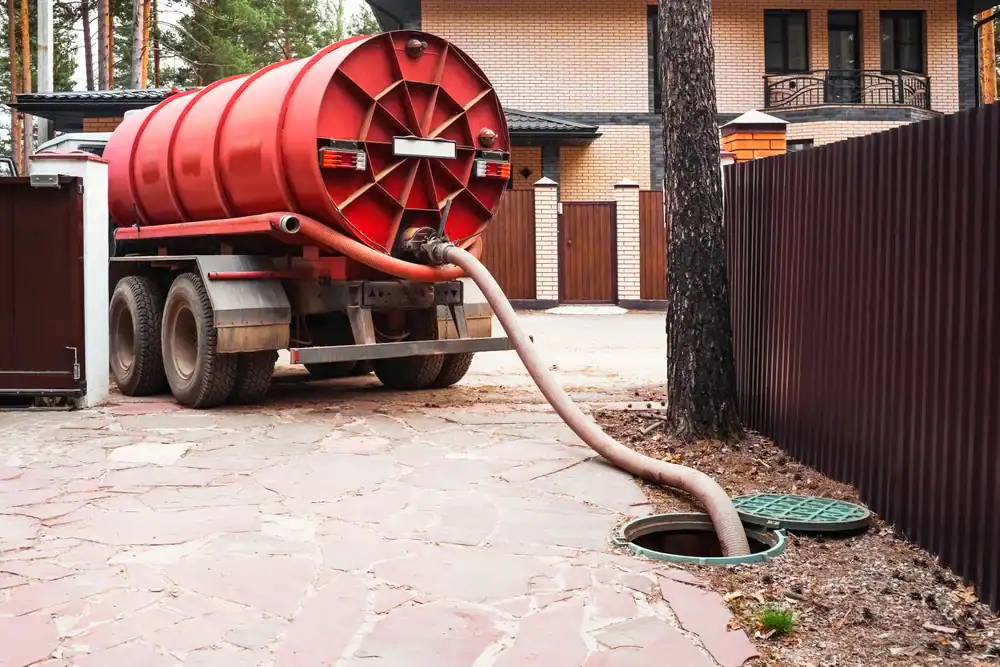
You cannot—and I mean cannot—start cleaning up sewage without proper protective equipment. This isn’t about being overly cautious. This is about preventing pathogens from entering your body through your skin, eyes, nose, or mouth.
Start with your feet and legs. Rubber boots that come up past your ankles are the minimum. Waterproof waders or hip boots are better if you’re dealing with more than an inch or two of standing water. Regular rain boots work in a pinch, but make sure they don’t have any cracks or holes.
Your hands need heavy-duty waterproof gloves—not the thin latex gloves you use for washing dishes. Look for nitrile or neoprene gloves that extend past your wrists. Some people double-glove for extra protection. If you have any cuts or scrapes on your hands, cover them with waterproof bandages before putting gloves on.
Eye protection is non-negotiable. Safety glasses with side shields protect against splashes when you’re working. Goggles that seal around your eyes offer even better protection. Sewage in your eyes can cause serious infections that damage your vision.
Your respiratory system needs protection too. An N95 or HEPA-rated respirator mask filters out airborne pathogens and reduces your exposure to toxic gases. The paper dust masks from your workshop won’t cut it—you need something rated for biological hazards.
Cover your body with clothing you can throw away afterward. Long sleeves, long pants, and ideally a waterproof coverall or rain suit. Some people use large garbage bags with holes cut for arms and head as makeshift protective suits. It looks ridiculous, but it works.
Before you put any of this equipment on, have a plan for taking it off safely. You don’t want to contaminate clean areas of your home by tracking sewage through the house on your boots or touching door handles with contaminated gloves. Set up a decontamination zone where you can remove protective gear and bag it for disposal before you move into clean areas.
And here’s something most people forget: have someone outside the contaminated area checking on you periodically. If you get dizzy from toxic gases, feel sick, or have any kind of emergency, you need someone who can call for help without entering the hazardous area themselves.
Once you’re properly protected and you’ve confirmed the spill is small enough for DIY cleanup, start by removing standing water. A submersible pump works for larger volumes. A wet-dry shop vacuum with a filtration system handles smaller amounts. Don’t use your regular household vacuum—you’ll contaminate it beyond salvaging and potentially spread pathogens through the air.
Solid waste and debris go into heavy-duty plastic garbage bags. Double-bag everything for extra protection against leaks. Seal the bags tightly and set them aside for proper disposal—don’t just toss them in your regular trash yet. Check with your local waste management about special disposal requirements for sewage-contaminated materials.
Remove and discard porous materials that sewage has touched. Carpets, rugs, padding, upholstered furniture, mattresses, pillows, and cardboard boxes cannot be adequately cleaned and disinfected. Trying to save these items puts your health at risk. Wrap them in plastic and remove them from your home.
Hard surfaces need thorough cleaning before disinfection. Scrub floors, walls, and any hard furniture with hot water and a low-suds detergent. This physical cleaning removes the bulk of contamination. Rinse with clean water. Then—and only then—apply disinfectant.
For disinfection, use a bleach solution: one cup of unscented household bleach per gallon of water. Never use more bleach than this ratio, and never mix bleach with other cleaning products. Mixing bleach with ammonia creates toxic chloramine gas that can kill you in an enclosed space. Apply the bleach solution to all surfaces that contacted sewage. Let it sit for at least 10 minutes before rinsing.
Clean and disinfect all tools, equipment, and protective gear you used during cleanup. Your boots, gloves, shovels, and buckets all need the same bleach solution treatment. Mops, brooms, and brushes get disinfected too. Anything you can’t adequately disinfect gets thrown away.
Drying comes next, and it’s critical. Open windows, run fans, and use dehumidifiers to pull moisture out of the air and surfaces. You’re racing against mold growth here. Every surface needs to be completely dry within 24 to 48 hours. Use moisture meters if you have them to verify that subflooring and wall materials are actually dry, not just dry on the surface.
Wash yourself thoroughly when you’re done. Shower with hot water and soap, paying special attention to your hands, arms, face, and any skin that might have contacted contaminated surfaces. Launder the clothing you wore during cleanup separately from your regular laundry, using hot water and extra detergent. Better yet, throw those clothes away if they had direct sewage contact.
Small sewage spills handled quickly with proper safety protocols can sometimes be DIY projects. But the moment you’re dealing with more than 10 square feet, contamination older than 24 hours, or sewage in hard-to-reach areas, you’ve moved into professional territory.
This isn’t about questioning your ability—it’s about recognizing that some situations require specialized equipment, training, and verification that consumer-level resources simply can’t provide. Professional sewage cleanup teams bring industrial extraction equipment, EPA-approved disinfectants, moisture monitoring technology, and most importantly, the expertise to confirm that every trace of contamination is actually gone.
Your family’s health isn’t something to gamble on. The cost of professional cleanup pales in comparison to medical bills from sewage-related illnesses or the expense of mold remediation when hidden contamination goes unaddressed.
When you’re facing a sewage emergency in Cook County, IL and need immediate professional help, we provide 24/7 emergency response with licensed, insured technicians who understand Chicago’s unique plumbing challenges. We bring the equipment, expertise, and safety protocols that protect your family and restore your home to genuinely safe conditions.
Article details:
Share:
Continue learning:


