When sewage backs up into your basement, you're facing a health emergency that demands immediate professional response to protect your family and property.
Share:

Summary:
That smell coming from your basement isn’t something you can ignore. When sewage backs up through your floor drains, you’re not just dealing with a mess. You’re facing a Category 3 water emergency that puts your family’s health at risk and can cost thousands in damage if not handled correctly.
Chicago’s 100-year-old combined sewer system wasn’t built for the storms we’re seeing now. When heavy rain hits, that system gets overwhelmed, and sewage has nowhere to go but back into basements across Cook County.
You need to know what’s happening, why it’s dangerous, and what actually works to clean it up and prevent it from happening again.
Professional basement sewer backup cleanup follows a specific sequence designed to eliminate health hazards and prevent long-term damage. The process starts the moment you call for emergency service.
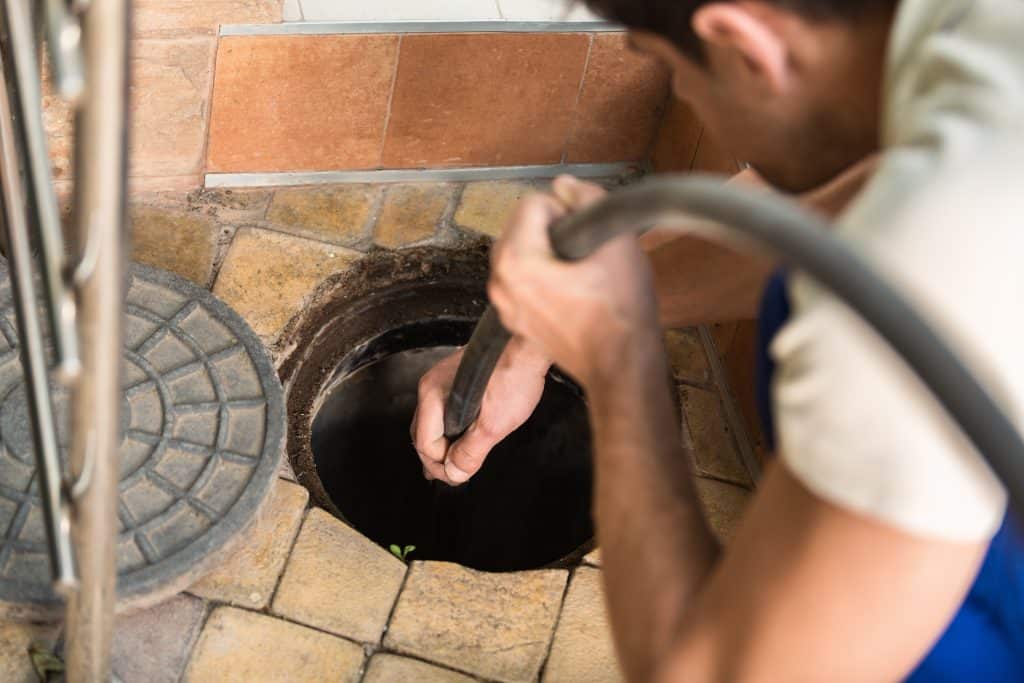
First comes water extraction. Standing sewage needs to be removed immediately using truck-mounted equipment and industrial pumps. Every minute that contaminated water sits in your basement increases the risk of structural damage and mold growth.
Next is sanitization. This isn’t regular cleaning. Category 3 water contains bacteria, viruses, and parasites that require EPA-approved antimicrobial treatments to eliminate. Surfaces that look clean can still harbor dangerous pathogens without proper disinfection.
After the initial extraction and sanitization, the real restoration work begins. This phase determines whether your basement returns to a safe, usable condition or becomes a long-term health hazard.
Structural drying is critical. Professional teams use commercial-grade dehumidifiers and air movers to reduce moisture levels to safe standards. Moisture meters track progress throughout the process. If humidity stays elevated, mold begins growing within 24 to 48 hours.
Contaminated materials often need removal. Porous materials like drywall, insulation, and carpeting that contacted sewage typically can’t be salvaged. These materials absorb contaminants deep into their structure where cleaning can’t reach. Professional crews identify what can be saved versus what poses ongoing health risks.
Odor elimination requires more than air fresheners. Sewage odors indicate the presence of harmful gases and bacteria. HEPA air filtration systems and specialized deodorization treatments eliminate both the smell and its source. If you still smell sewage after cleanup, the job isn’t finished.
Documentation matters for insurance claims. Professional services photograph damage, log moisture readings, and create detailed inventories of affected materials. Most homeowners don’t realize their standard policy doesn’t cover sewer backups without a separate endorsement. Proper documentation supports your claim when you do have coverage.
Final verification confirms your basement is actually safe. Moisture mapping ensures no hidden dampness remains in walls or flooring. Some services offer third-party clearance testing to verify contamination has been eliminated. This step protects you from discovering mold problems months later.
You might think you can handle cleanup yourself to save money. That thinking puts your health at serious risk and often costs more in the long run.
Sewage contains pathogens you can’t see or smell. E. coli, salmonella, hepatitis A, and parasites thrive in wastewater. Home cleaning products don’t eliminate these organisms. Even if surfaces look clean, contamination remains. Professional crews use EPA-registered antimicrobials specifically designed for Category 3 water.
Proper protective equipment is essential. Professionals wear respirators, waterproof suits, heavy-duty gloves, and boots because sewage exposure is that dangerous. Without this gear, you’re exposing yourself to bacteria through skin contact and airborne particles. A single cut or scrape becomes an entry point for infection.
Hidden moisture causes expensive problems later. DIY cleanup often misses water trapped in wall cavities, under flooring, and in insulation. That hidden moisture feeds mold growth you won’t discover until it’s spread throughout your basement. Professional moisture detection equipment finds these problem areas before they become disasters.
Insurance companies may deny claims for improper cleanup. If you attempt DIY cleanup and it fails, your insurance provider can argue the damage resulted from inadequate remediation rather than the original backup. Professional documentation protects your claim and your investment.
The average cost of professional sewage cleanup ranges from $2,000 to $10,000 depending on the affected area. That seems expensive until you consider the alternative. Mold remediation alone can cost thousands more. Health problems from sewage exposure don’t have a price tag. The money you think you’re saving by going DIY often turns into much larger expenses down the road.
Chicago’s infrastructure creates unique challenges that make prevention essential. The combined sewer system handles both sanitary sewage and stormwater in the same pipes. When storms drop more than 2 inches of rain, the system reaches capacity.
That means sewage flows backward into the lowest available opening, which is usually your basement floor drain. With 42% of Cook County being impervious surface, water has nowhere to go but into an already overwhelmed system.
Prevention requires understanding both your home’s plumbing and the larger infrastructure issues affecting your neighborhood. Some solutions are simple. Others require professional installation.

A backwater prevention valve is the single most effective defense against sewer backups. This device installs on your main sewer line in the basement and allows sewage to flow out but prevents it from flowing back in.
When the city’s sewer system becomes overwhelmed during heavy rain, pressure builds in the lines. Without a backwater valve, that pressure forces sewage back through your floor drains and toilets. The valve automatically closes when it detects reverse flow, blocking contaminated water from entering your home.
Installation requires professional expertise. The valve needs to be positioned correctly on your sewer line and tested to ensure proper operation. A licensed plumber can assess your system and determine the right valve type for your setup. Some municipalities offer rebates or incentives for backwater valve installation.
Maintenance is minimal but important. The valve should be inspected annually to ensure the flap moves freely and isn’t blocked by debris. Most homeowners can perform basic visual checks, but professional inspection catches problems before they compromise protection.
Cost typically ranges from several hundred to a few thousand dollars depending on your plumbing configuration. That investment protects against cleanup costs that average $2,000 to $10,000 per incident. For homes in flood-prone areas of Cook County, the valve often pays for itself after preventing just one backup.
Chicago’s aging infrastructure isn’t getting younger. The city’s 100-year-old combined sewer system will continue reaching capacity during intense storms. A backwater valve gives you control over what enters your home regardless of what’s happening in the municipal system.
Your sump pump is your first line of defense against basement flooding. When it fails during a storm, you’re facing potential disaster. Regular maintenance and backup systems prevent that failure when you need protection most.
Test your sump pump quarterly. Pour water into the sump pit until the float triggers the pump. It should activate quickly and discharge water away from your foundation. If the pump hesitates, makes unusual noises, or fails to activate, you need professional service before the next storm.
Battery backup systems are essential for Chicago basements. Power outages often accompany the severe storms that cause flooding. When your electricity goes out, your primary sump pump stops working right when you need it most. A battery backup system continues pumping even during outages, protecting your basement when the grid fails.
Check the discharge line regularly. The pipe carrying water away from your foundation must direct flow far enough from your home to prevent it from seeping back toward the basement. In winter, discharge lines can freeze, causing backups. Proper installation and insulation prevent this problem.
Clean the sump pit annually. Debris, silt, and gravel can accumulate in the pit and get sucked into the pump, damaging the motor. Remove the pump, clean the pit thoroughly, and check the inlet screen for blockages. This simple maintenance extends pump life and ensures reliable operation.
Consider a water-powered backup pump as additional protection. These systems use your home’s water pressure to pump water out when the primary pump fails. They don’t require electricity or batteries, providing an extra layer of security during extended outages.
The Metropolitan Water Reclamation District of Greater Chicago offers resources for homeowners on proper sump pump installation and maintenance. Taking advantage of these programs helps you understand your system better and catch problems early. In a region where basement flooding is a recurring threat, your sump pump deserves attention before you need it to save your basement.
Basement sewer backup cleanup isn’t something you can put off or handle yourself. The health risks are too serious and the potential for long-term damage too high. When sewage enters your home, you need professional response immediately.
The right cleanup team does more than remove water. We eliminate contamination, prevent mold growth, document damage for insurance, and restore your basement to safe condition. That complete approach protects both your property and your family’s health.
Prevention strategies like backwater valves and proper sump pump maintenance give you control over future backups. Chicago’s infrastructure challenges aren’t going away, but you can protect your home from their consequences. When you need emergency basement sewer backup cleanup in Cook County, IL, we provide 24/7 response with the expertise and equipment to handle the job right.
Article details:
Share:
Continue learning: