Summer in Chicago means more guests, heavier water usage, and intense storms—all of which stress your drains. Here's how to prep before problems start.
Share:

Summary:
Your shower’s draining slower. The kitchen sink backs up during dinner prep. And you’re hosting family next weekend. Sound familiar? Summer puts more pressure on your drains than any other season—more people in the house, more cooking, more showers, and those Chicago storms that dump half a year’s rain in two hours. The difference between a smooth summer and a basement full of water often comes down to whether your drains were ready for it. Here’s what actually matters when it comes to keeping water flowing where it should, and what to do when it doesn’t.
Your drains aren’t imagining things—summer really does hit them harder. When kids are home from school, guests are visiting, and everyone’s showering twice a day after being outside, your plumbing system handles significantly more volume. Add in the BBQs, the extra laundry from beach trips, and all that food waste from summer entertaining, and you’ve created the perfect conditions for slow drains and backups.
But it’s not just what’s happening inside your house. Chicago’s weather plays a role too. Those intense summer storms that seem to come out of nowhere can dump 8 to 9 inches of rain in a matter of hours. When that happens, the city’s century-old combined sewer system—which handles both your household wastewater and stormwater runoff—gets overwhelmed fast. That’s when basements flood and drains back up through floor drains and toilets.

Let’s start in the kitchen, because that’s where most summer drain problems begin. When you’re grilling out and hosting, more grease and food scraps end up going down the drain. Even if you’re careful, small amounts of cooking oil make their way into your pipes. Here’s the thing about grease—it might flow down as a liquid, but it cools and solidifies once it’s in your pipes. Over time, that creates a sticky coating that traps everything else that comes through. Coffee grounds, eggshells, pasta, and fibrous vegetables all get caught in that grease layer and build up until water can barely pass.
Bathrooms face their own summer challenges. More showers mean more hair, more soap, and more shampoo residue going down your drains. Hair doesn’t break down. It tangles with soap scum and creates dense clumps that cling to the inside of your pipes. If you’ve got hard water—which most of Chicago does—that soap combines with minerals to create an even stickier buildup that’s tough to clear.
Then there’s what you can’t see. Tree roots grow aggressively in summer, especially when you’re watering your lawn regularly. Those roots are drawn to the moisture in your sewer lines, and even the smallest crack or loose joint gives them an entry point. Once they’re in, they create blockages that get worse over time. You might not notice it at first—just slower drainage or occasional gurgling sounds. But by the time you realize there’s a problem, those roots have usually done significant damage.
Chicago’s summer storms add another layer of complication. When rain overwhelms the sewer system, all that excess water has to go somewhere. If your drains are already dealing with buildup from grease, hair, or roots, they can’t handle the additional pressure. That’s when you get backups—sometimes sewage backing up through your basement floor drain, which is about as unpleasant as it sounds.
The heat itself makes things worse too. Warmer temperatures speed up bacterial growth in your pipes, especially in kitchen drains where bits of food get trapped. That’s why drains tend to smell worse in summer. The bacteria feeding on organic matter produce gases that come right back up through your sink.
Most people wait until water’s pooling around their feet in the shower or backing up into the sink before they do anything. By then, you’re dealing with a full-blown clog instead of preventing one. There are earlier signs that your drains are struggling, and catching them early saves you from bigger headaches later.
Slow drainage is the first warning. If water takes longer than usual to go down—even if it eventually drains—something’s building up in your pipes. It might just be a partial clog that you can address before it gets worse. Pay attention to how fast water clears after you do dishes or take a shower. If it’s noticeably slower than it was a month ago, that’s your cue.
Gurgling sounds are another red flag. When you hear bubbling or gurgling coming from your drains as water flows through, it means air is trapped in your pipes because something’s blocking the normal flow. You might hear this in your toilet when you run the sink, or in your kitchen drain when the washing machine drains. That’s not normal, and it usually means there’s a blockage forming somewhere in your system.
Foul odors coming from your drains tell you that organic matter is decomposing in your pipes. In summer, this happens faster because of the heat. If you’re smelling something off even when your drains appear to be working fine, there’s buildup in there that needs to be cleared out before it causes a clog.
Multiple slow drains at the same time point to a bigger problem than just one clogged pipe. If your kitchen sink, bathroom sink, and shower are all draining slowly, the issue is likely in your main sewer line rather than individual drains. This is especially common in Chicago during heavy rain when the sewer system is under stress. You need professional help for this—it’s not something you can fix with a plunger.
Water backing up in unexpected places is a serious sign. If you flush the toilet and water comes up in the bathtub, or if running the washing machine causes your basement floor drain to overflow, you’ve got a significant blockage in your main line. This requires immediate attention because it can quickly turn into sewage backing up into your home.
Your kitchen sink handles more during summer than any other time of year. Between meal prep for gatherings, cleaning up after cookouts, and the general increase in cooking when people are home more, it’s working overtime. A little preventive care goes a long way toward keeping it flowing smoothly when you need it most.
The golden rule is simple: don’t pour grease down your drain. Ever. Not even with hot water running. Hot water doesn’t prevent grease from solidifying—it just pushes it further down your pipes before it hardens. Collect grease and cooking oils in a container, let them cool, and throw them in the trash. If you do a lot of grilling or frying, keep a designated grease container by your stove so it’s easy to do the right thing.

Your garbage disposal isn’t designed to handle everything, even though it might seem like it can. During summer when you’re dealing with corn husks, watermelon rinds, and all the produce from farmers markets, it’s easy to overload it. Fibrous vegetables like celery and asparagus, starchy foods like potato peels and pasta, and hard items like eggshells and coffee grounds don’t grind up well. They either wrap around the blades or turn into a paste that sticks to your pipes.
Use your disposal for small food scraps that accidentally go down the drain, not as a primary method of food disposal. Scrape plates into the trash or compost before rinsing them. When you do run the disposal, use cold water—not hot. Cold water keeps grease solid so it can be chopped up and flushed through rather than coating your pipes. Run the water for at least 30 seconds after you turn off the disposal to make sure everything clears completely.
A drain strainer is one of the cheapest and most effective tools you can use. It catches food particles before they go down the drain, and you just empty it into the trash after doing dishes. Clean it daily during summer when you’re using your kitchen more. It takes 10 seconds and prevents most kitchen sink clogs before they start.
If you want to keep your drains fresh and clear between professional cleanings, try a weekly maintenance routine. Pour a pot of boiling water down the drain to help melt away any grease that’s starting to build up. Follow it with half a cup of baking soda, let it sit for a few minutes, then pour a cup of white vinegar down. Let that fizz for 15 minutes, then flush with more hot water. This won’t clear a serious clog, but it helps prevent buildup from forming in the first place.
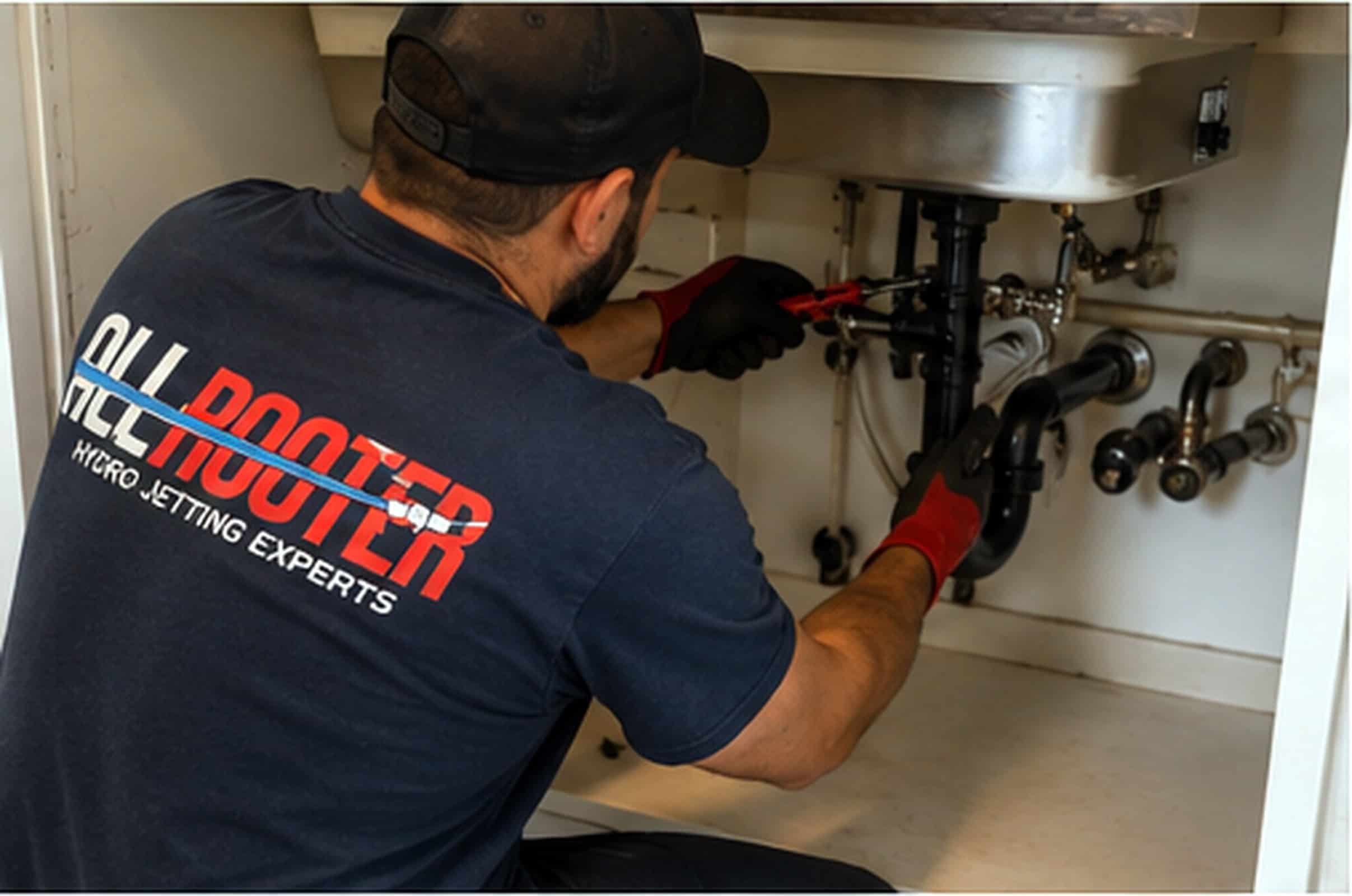
Some kitchen drain issues are beyond what you can handle with a plunger or baking soda. If your sink drains slowly even after you’ve tried clearing it, if water backs up frequently, or if you’re dealing with foul odors that won’t go away, there’s likely buildup deep in your pipes that needs professional attention.
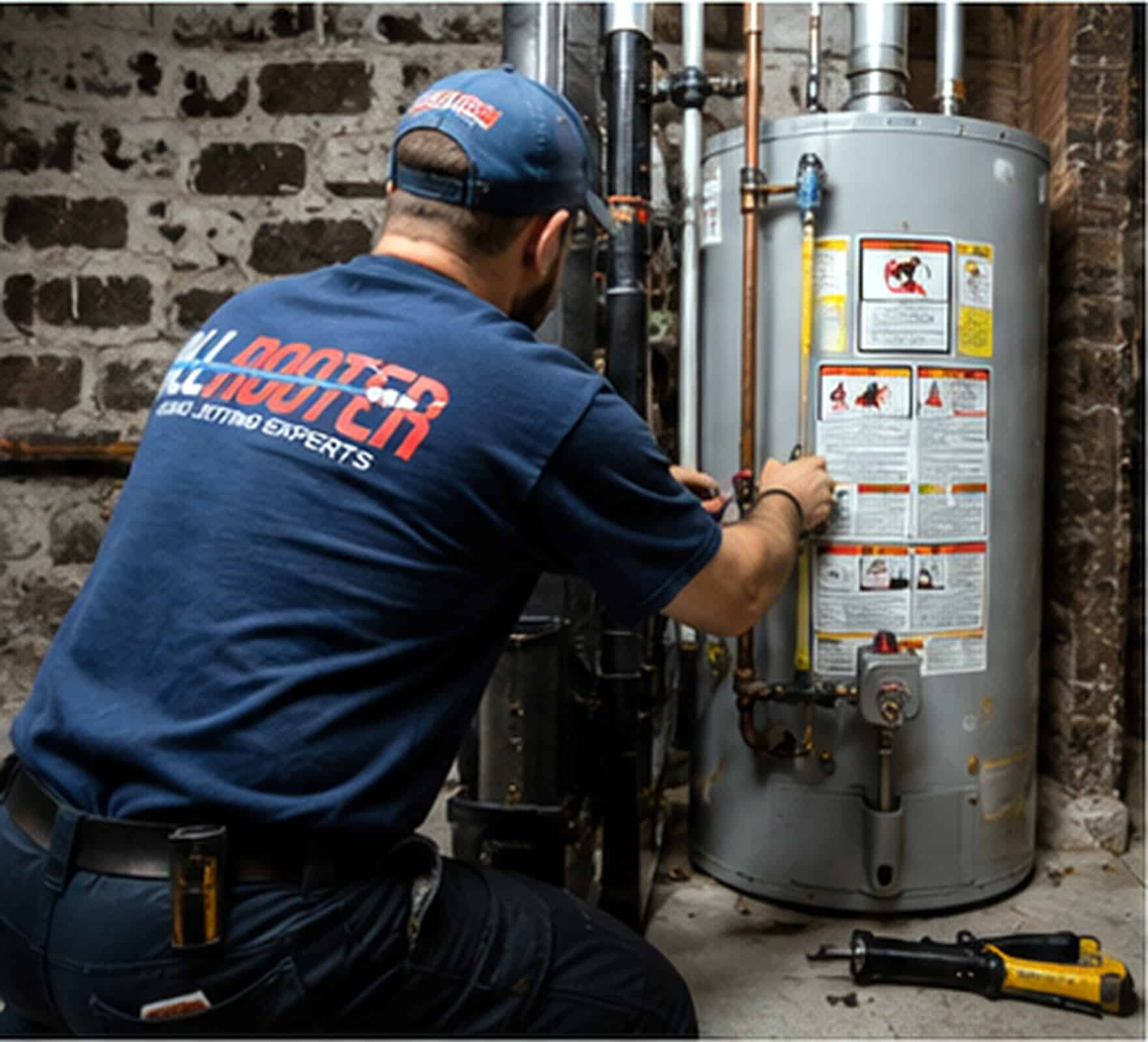
Hydro jetting is what actually clears drains completely. A drain snake or auger can poke a hole through a clog to get water flowing again, but it leaves most of the buildup stuck to your pipe walls. Within weeks, you’re dealing with the same problem. Hydro jetting uses high-pressure water to scour the inside of your pipes completely clean, removing grease, soap scum, and years of accumulated gunk. It’s the difference between a temporary fix and actually solving the problem.
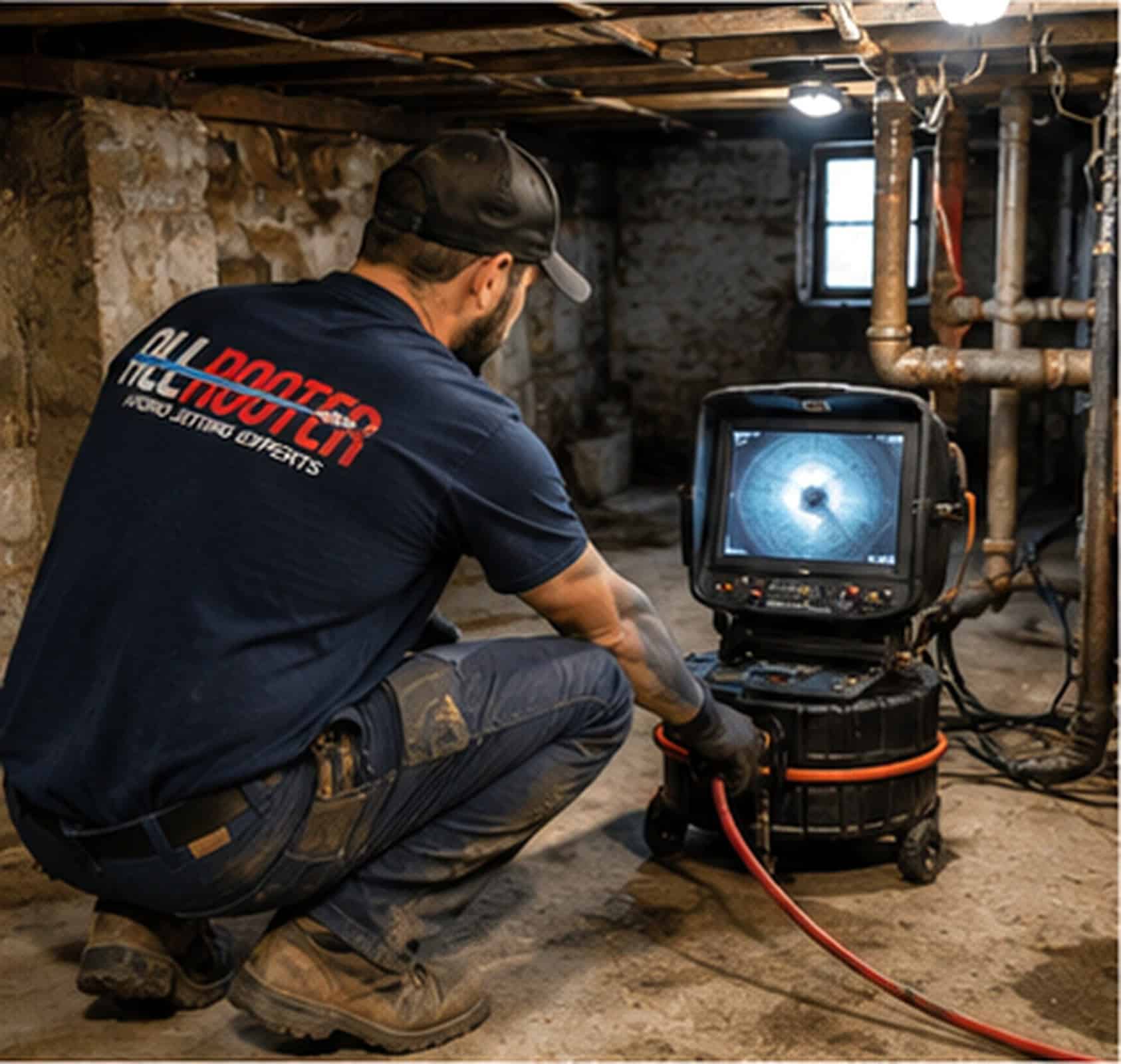
For older Chicago homes with cast iron pipes, this is especially important. Decades of buildup don’t disappear with basic snaking. If your kitchen sink keeps clogging even after you’ve had it cleared, or if multiple drains in your house are slow at the same time, you need a video inspection to see what’s actually happening in your pipes. A camera shows you exactly where the problem is—whether it’s grease buildup, root intrusion, or deteriorating pipes—so you know you’re fixing the right thing.
The cost difference between preventive professional drain cleaning and emergency service is significant. A scheduled cleaning before summer starts costs a fraction of what you’ll pay when your main line backs up during a holiday weekend. Plus, you’re dealing with the problem on your terms instead of scrambling to find help when sewage is coming up through your basement drain.
Summer in Chicago puts your drains through more stress than any other season. More people, more water, more food waste, and those intense storms that can dump months of rain in hours. The difference between dealing with a backed-up basement during a family gathering and having everything work the way it should often comes down to whether you prepared ahead of time.
Handle what you can—keep grease out of your drains, use strainers, clean drain covers regularly. But know when it’s time to call in professionals who understand Chicago’s unique plumbing challenges. A video inspection and hydro jetting before summer hits can save you from emergency calls when you can least afford the disruption.
If your drains are already showing signs of trouble—slow drainage, gurgling sounds, foul odors—don’t wait for it to get worse. We serve Cook County with the kind of preventive drain cleaning that actually solves problems instead of just buying you a few more weeks. Get ahead of it now, and you can actually enjoy your summer instead of dealing with plumbing disasters.
Article details:
Share:
Continue learning: