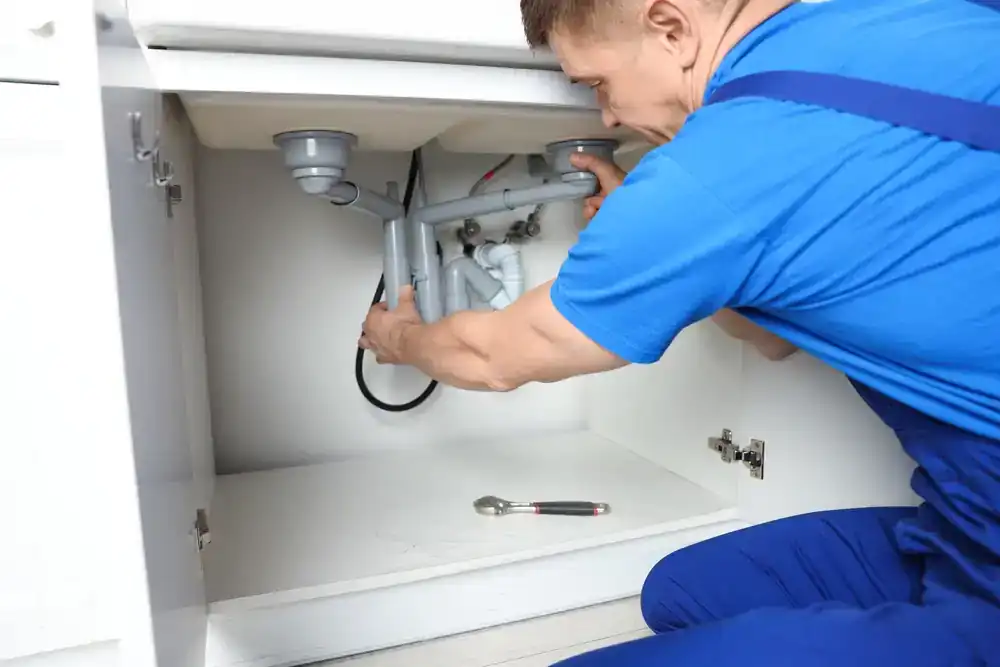
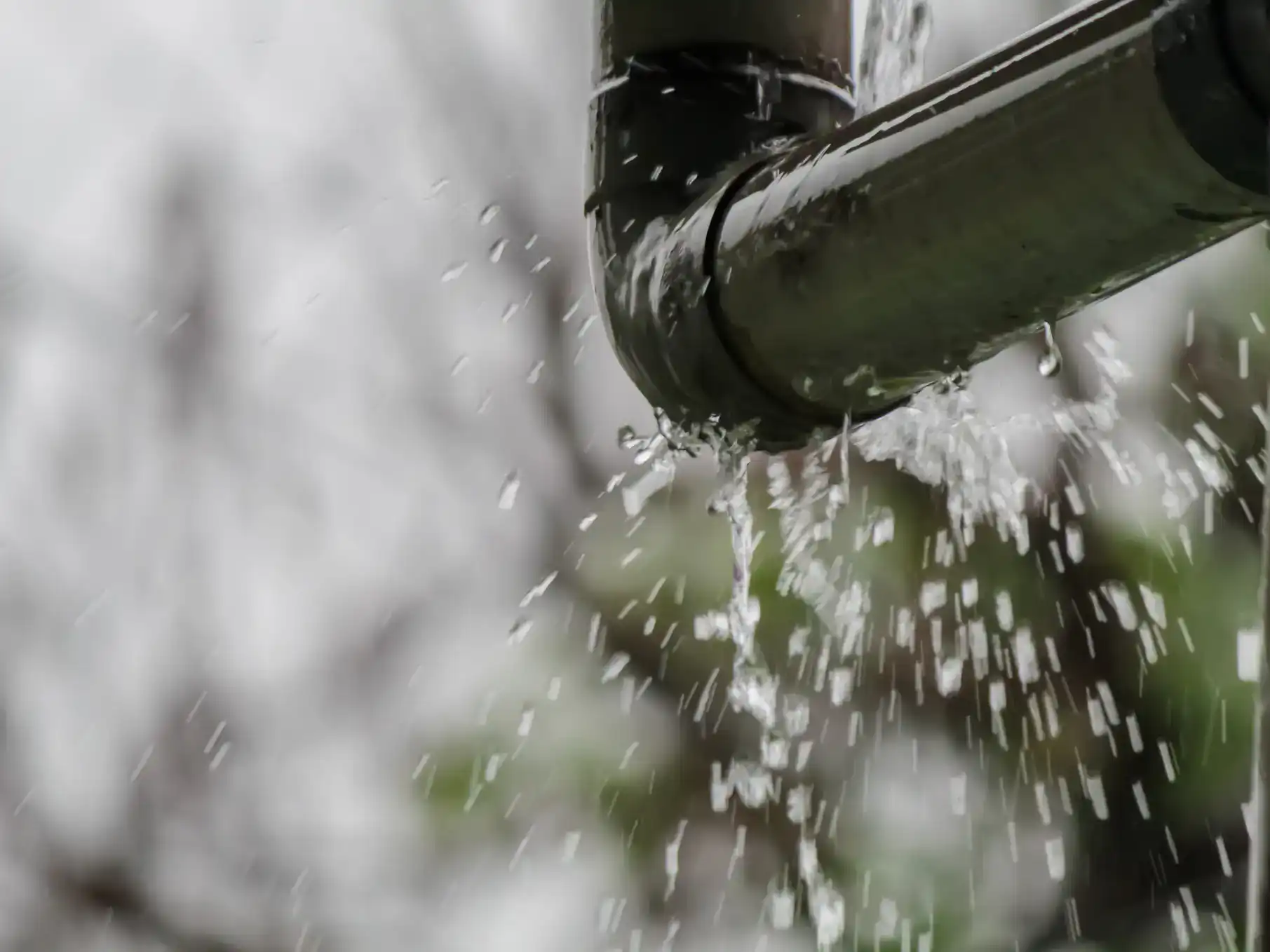
Facing a plumbing issue at 2 AM? Learn the real cost difference between emergency and regular plumbers, plus when those premium rates are actually worth it.
Share:
Summary:
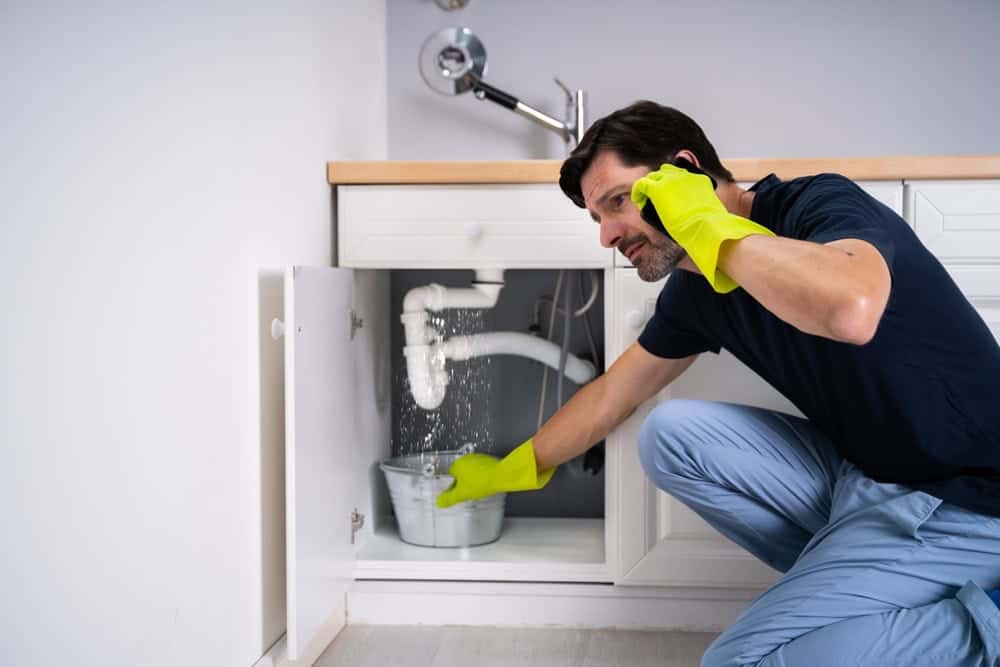
It’s 11 PM on a Saturday. You hear water running somewhere in your house. Your mind races between “this could flood my entire basement” and “emergency plumbers charge how much on weekends?” You’re stuck trying to figure out if this situation justifies paying double or triple the normal rate, or if you’re about to waste money on something that could’ve waited until Monday morning. That hesitation costs time, and sometimes, time costs money. Here’s how to know the difference, what emergency plumber costs actually look like in Cook County, and when those premium rates are protecting your home instead of just draining your bank account.
Emergency plumbers in Cook County typically cost between $100 and $500 per hour, with an average around $170 per hour. But that number alone doesn’t tell you much. Emergency plumbers charge 1.5 to 3 times as much as a typical plumber, which means if a regular service call runs $100 per hour, that same work at 2 AM might hit $200 to $300. In many cases, advanced camera inspections can quickly identify the source of the problem, reducing guesswork and helping plumbers complete repairs more efficiently.
Most plumbers in the Chicago area cost $45 to $200 per hour during standard business hours, with higher rates for complex jobs or older buildings with difficult access. Emergency and same-day calls carry a premium of 35-50% above standard rates, and Chicago winters drive high demand that can push emergency pricing even higher. You’re not just paying for the repair—you’re paying for immediate availability, after-hours inconvenience, and the expertise to handle urgent situations that can’t wait.
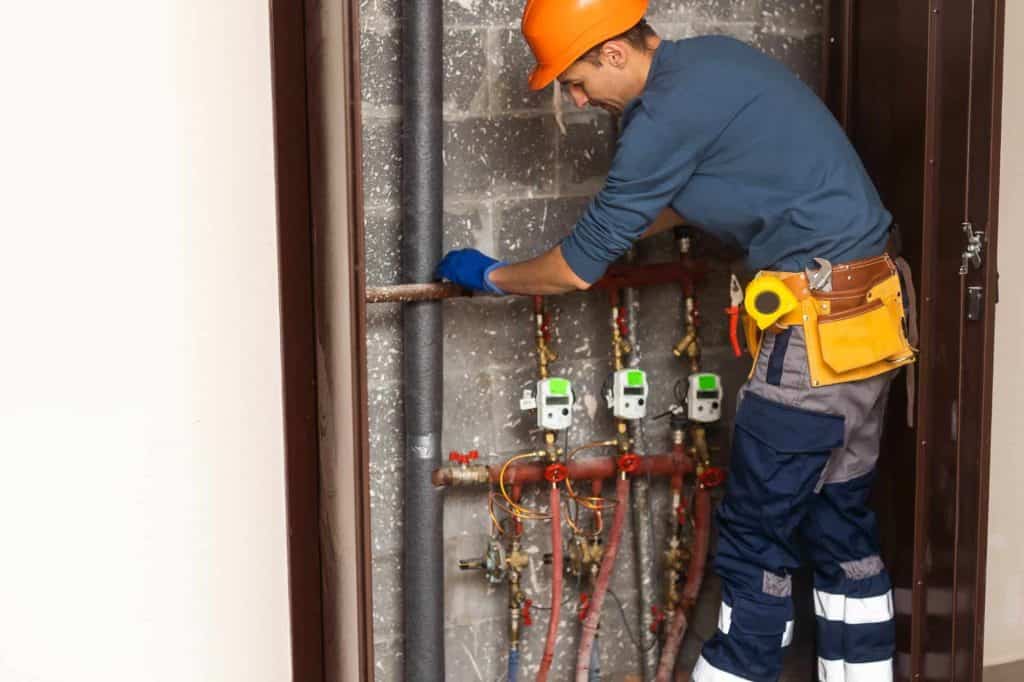
When you call an emergency plumber, you’re looking at more than just an hourly rate. Most emergency plumbers charge a flat service call fee ranging from $150 to $500 just for arriving at your home, regardless of the work done. Chicago plumbers typically charge a trip fee between $100 and $300 to cover travel time, parking, and basic diagnostics, with Windy City residents often paying at the top end of that range.
Then comes labor. Timing plays a huge role—after-hours rates can spike by 50% to 100% compared to regular rates, with weeknight emergencies costing more than daytime calls, weekend rates climbing higher, and holidays sometimes reaching $225 to $450 or more per hour. For instance, an after-hours weekday emergency might result in time and a half, while a plumber might charge three times their normal rate if you have plumbing problems on Thanksgiving or another holiday.
Materials and parts add another layer. If your burst pipe needs replacement sections, new fittings, or specialized components for Chicago’s older homes, those costs stack on top of labor. Most common plumbing repairs in Chicago range from $150 to $400 depending on complexity and parts needed, with simple faucet leak repairs typically costing $150-$250 and toilet repairs averaging $200-$350. But when you’re dealing with an emergency, you’re often facing the more expensive end of that spectrum because the situation has escalated beyond a simple fix.
The hidden cost? Potential damage if you wait. A burst or frozen pipe can cause severe water damage if not addressed quickly, with a minor leak costing around $800-$900 to repair but a major burst with flooding exceeding $1,500 due to water removal and repairs. Sometimes paying the emergency premium now saves you from paying catastrophic restoration costs later.
Let’s put real numbers to this. Regular plumbers generally charge between $45 and $150 per hour, with the average hourly rate landing around $80 for residential jobs. Emergency plumbers charge $150-$400 per hour, respond within 1-2 hours, and are ideal for urgent problems like burst pipes or sewage backups.
Here’s what that looks like in practice. Say you have a leaking pipe under your kitchen sink. During business hours on a Tuesday afternoon, a plumber might charge $100 for the service call and $80 per hour for labor. The job takes an hour and a half. You’re looking at $220 total. That same leak at 11 PM on Saturday? The emergency service might come with a $300 flat fee plus an hourly rate of $175, bringing the total to $475 for an issue that would have cost about $150 during regular business hours—but the owner considered it money well spent because business resumed the next day and they avoided costly downtime and further damage.
Emergency premiums typically add 50% to 150% to the standard repair cost. That’s not price gouging—it’s compensation for disrupting a plumber’s personal time, maintaining 24/7 availability, carrying specialized equipment, and responding immediately to situations that could cause thousands in damage if ignored. In Chicago, emergency rates tend to run higher during winter freeze season when demand for burst pipe repairs surges.
The question isn’t whether emergency rates are higher. They always are. The question is whether the situation you’re facing justifies that premium. A dripping faucet at midnight? Probably not. Water actively flooding your basement? Absolutely. The cost difference between emergency and regular service becomes irrelevant when you’re comparing it to the cost of replacing water-damaged floors, walls, and belongings.
Understanding plumber cost per hour—both emergency and regular—helps you make an informed decision instead of panicking and either overpaying for something minor or underpaying attention to something catastrophic.
Not every plumbing problem at an inconvenient time is an emergency. The rule of thumb is simple: if the plumbing issue threatens your safety, property, or ability to use essential fixtures like toilets or running water, it’s time to call emergency plumbing services. A plumbing emergency is any situation that requires immediate attention to prevent property damage, health hazards, or complete loss of essential water services.
A burst pipe can release gallons of water which can compromise the structural integrity of your home, such as collapsed ceilings and weakened walls, so the best way to deal with a burst pipe is to shut off your home’s main water line and call an emergency plumber immediately. A plumbing emergency involves any situation that poses an immediate risk to your property or safety, such as burst pipes, gas leaks, or overflowing toilets.
Here’s what actually qualifies: active flooding that’s spreading, sewage backing up into your home, no running water at all, gas leaks, or major leaks you can’t control. These situations get worse by the minute, not by the hour.
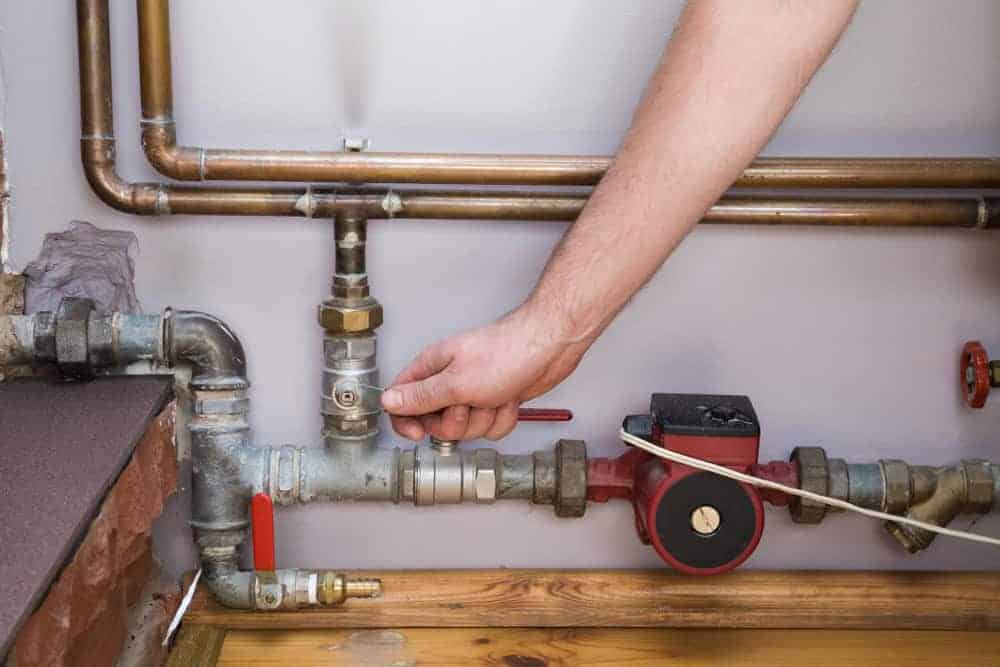
A burst pipe can spill gallons of water into your home in minutes, often caused by freezing temperatures or corroded pipes. If you see water gushing from walls, ceilings, or floors, that’s not a “wait until morning” situation. Chicago winters often bring freezing temperatures that can cause burst pipes, flooding, or sewer issues, and during peak winter months, emergency plumbing services cost one and a half to three times the standard hourly rate.
Sewage backups are health emergencies, not just plumbing problems. If sewage is backing up into the home from one or more plumbing fixtures, sewage in the home poses a serious health risk to humans and pets. The bacteria and contaminants in raw sewage make this an immediate call, regardless of the time or day.
Complete loss of water access affects your ability to cook, clean, flush toilets, or maintain basic hygiene. If you suddenly have no water coming from your taps, it may indicate a water main break or a serious plumbing issue that requires immediate attention. This is especially critical if you have young children, elderly family members, or anyone with health conditions in your home.
Gas leaks are life-threatening. A gas leak can be extremely dangerous, posing risks of explosions or fires—if you smell gas or suspect a gas leak, evacuate the area immediately and call your gas company or emergency services. This goes beyond plumbing into safety territory.
Water heater failures with active leaking create flooding risks. If you are unable to cut off the supply of water into the tank, can’t reduce the temperature of the water, or smell gas, failing to call an emergency plumber immediately can result in an explosion from pressure buildup.
Major leaks you can’t control or shut off cause cumulative damage. While a dripping faucet can wait, any leak causing water to pool, damage walls, or ruin flooring qualifies as an emergency plumbing situation. If you can’t stop it with the fixture shutoff valve and water is actively damaging your property, call now.
If you have a broken toilet or faucet and can avoid using it until the morning, you may save yourself some money by avoiding fees that accompany an emergency plumber’s cost. A dripping faucet or running toilet may waste water and slightly increase your water bill, but it is not an emergency.
If you can contain the leak with a bucket or towels and it’s not causing immediate damage, it may be best to wait until regular business hours to avoid the premium costs associated with emergency calls. A slow drip under the sink that you catch with a bowl? That’s a Monday morning problem, not a midnight crisis.
A slow drain is usually caused by a partial blockage, and while it can be annoying, it is not an emergency—you can use some home remedies or non-toxic drain cleaners to try to clear the blockage yourself before calling a plumber. If water is still going down, just slowly, you have time.
Clogged toilets when you have another bathroom available can wait. If you have another toilet that is functional, you may be able to wait until morning, but if there are leaks or backup flooding the floor, call a plumber right away. The key is whether it’s contained and whether you have alternatives.
Low water pressure without other symptoms isn’t urgent. Inconsistent hot water from an older water heater that’s not leaking can be scheduled. Minor fixture issues like a loose faucet handle or a toilet that runs occasionally but stops—these are maintenance items, not emergencies.
Ask yourself: Is this causing active damage right now? If the answer is no, you can likely schedule service with a trusted plumber during standard hours. The difference between emergency and regular service often comes down to whether the problem is actively getting worse and causing damage, or whether it’s a stable situation that’s just inconvenient.
Waiting when you can saves you money. Acting when you need to saves your home. Knowing which is which saves both.
The decision to call an emergency plumber at premium rates or wait for regular business hours isn’t about the cost alone—it’s about the cost of not acting versus the cost of acting. When water is actively damaging your home, when sewage poses health risks, or when you’ve lost access to essential water services, emergency rates are the cheaper option compared to structural repairs, mold remediation, or health consequences.
Emergency plumber cost ranges from $150 to $500 for most common residential issues, with after-hours service carrying a significant premium over standard rates as most plumbers charge 1.5x to 2x their regular hourly rate for nights, weekends, and holidays—understanding these costs before an emergency strikes helps homeowners make informed decisions under pressure. In Cook County, those rates reflect not just the inconvenience of after-hours work, but the value of immediate response in a climate where frozen pipes and winter emergencies are real, recurring threats.
The framework is straightforward: if it’s causing active damage, threatening safety, or eliminating access to water, call now. If you can contain it, control it, or work around it until morning, schedule regular service. When you’re genuinely unsure, err on the side of calling—most reputable plumbers will tell you honestly whether it can wait. We provide that kind of transparent guidance along with upfront pricing, 24/7 emergency availability, and the local Chicago expertise to handle both true emergencies and scheduled service with the same professional approach.
Article details:
Share:
Continue learning: