
Your gas water heater stopped working at the worst possible time. Learn what's causing the problem and whether repair or replacement makes sense for your Chicago home.
Share:

Summary:
You turn on the shower and get hit with cold water. Or maybe your water heater is making sounds you’ve never heard before. Either way, something’s wrong, and you need to figure out what’s happening before it gets worse.
Gas water heater problems don’t always mean you need a full replacement, but they do require attention. Some issues are straightforward fixes. Others signal that your system is on its way out. Knowing the difference can save you money and prevent a complete breakdown when you least expect it.
Let’s walk through what’s actually going wrong, what it takes to fix it, and how to decide if repair or replacement is the right move for your situation.
Most gas water heater problems fall into a few predictable categories. The good news is that many of them can be repaired without replacing the entire unit—if you catch them early enough.
No hot water is usually the first sign something’s off. For gas water heaters, this often points to pilot light failure, a faulty thermocouple, or a gas valve issue. Sometimes it’s as simple as relighting the pilot. Other times, a component needs replacement.
Inconsistent water temperature is another common complaint. You might get hot water for a few minutes, then it goes lukewarm, then hot again. This usually means your thermostat is malfunctioning or there’s sediment buildup interfering with the heating process. In Chicago, where water hardness sits around 130 to 150 parts per million, mineral deposits accumulate faster than in areas with softer water.
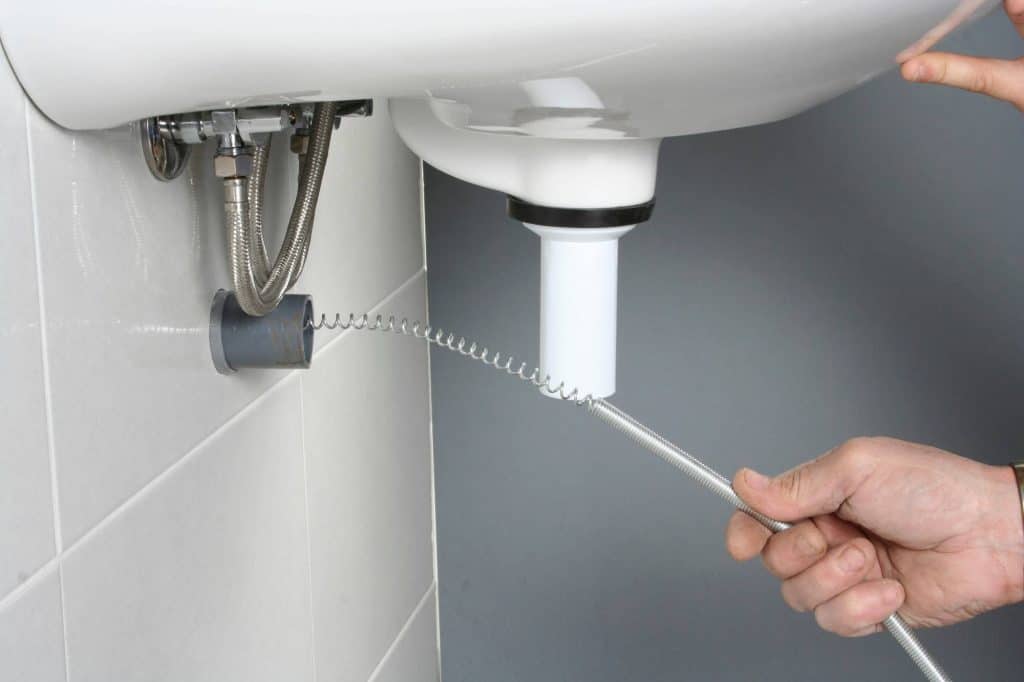
If your gas water heater sounds like it’s boiling rocks, you’re hearing the effects of sediment buildup. Chicago’s hard water leaves behind calcium and magnesium deposits that settle at the bottom of the tank. Over time, these minerals harden into a thick layer.
When your burner heats the water, it has to work through that sediment layer first. Water gets trapped underneath, turns to steam, and forces its way through the buildup. That’s what creates the rumbling, popping, or banging sounds.
This isn’t just annoying—it’s damaging. The sediment acts like insulation between the burner and the water, forcing your system to run longer and hotter to achieve the same temperature. That means higher energy bills and more wear on components. It also puts stress on the tank itself, creating weak spots that can eventually crack and leak.
Flushing the tank removes most of this sediment. In areas with hard water, annual flushing is critical. If you’ve never flushed your tank and it’s been in service for several years, the buildup might be too extensive to remove completely. At that point, you’re looking at reduced efficiency until replacement becomes necessary.
The anode rod also plays a role here. This component is designed to corrode instead of your tank, protecting the metal from rust. Once the anode rod is depleted, corrosion starts attacking the tank itself. Replacing the anode rod every few years extends the life of your gas water heater significantly. Most homeowners don’t even know it exists until we point it out during an inspection.
A pilot light that won’t stay lit is one of the most frustrating gas water heater problems you can face. You relight it, it works for a few hours or days, then goes out again. This cycle usually points to a failing thermocouple.
The thermocouple is a safety device that detects whether the pilot flame is burning. If it doesn’t sense heat, it shuts off the gas supply to prevent leaks. When it malfunctions, it might think the pilot is out even when it’s lit, cutting off gas and killing the flame.
Replacing a thermocouple is relatively inexpensive and straightforward for a licensed technician. It’s one of those repairs that doesn’t make sense to delay, because every time the pilot goes out, you’re without hot water until you notice and relight it.
Gas valve issues are more serious. If the valve itself is faulty, it might not open properly to supply gas to the burner. This can cause ignition failure or weak flames that don’t heat water effectively. Gas valve replacement is more involved and costly than a thermocouple, but it’s still usually cheaper than replacing the entire unit—assuming the rest of your system is in good shape.
Venting problems can also interfere with ignition. Gas water heaters need proper airflow for combustion and to expel exhaust gases safely. If the vent pipe is blocked, corroded, or improperly installed, it can prevent the burner from igniting or cause the pilot to go out repeatedly. More importantly, venting issues create carbon monoxide risks. This is one area where DIY fixes are dangerous. Only licensed professionals should diagnose and repair venting systems.
Carbon monoxide is odorless and colorless. A malfunctioning gas water heater with venting problems can release CO into your home without you realizing it until symptoms appear—headaches, dizziness, nausea, or worse. This is why annual inspections matter. We check not just whether your system is heating water, but whether it’s doing so safely.
Tankless systems are more complex than traditional tank models. They heat water on demand using a heat exchanger, sensors, and sophisticated controls. When something goes wrong, it takes specialized knowledge to diagnose and fix it properly.
Not every plumber who can replace a heating element in a tank system is qualified to work on tankless units. These systems display error codes that require interpretation. They need regular descaling to prevent mineral buildup in the heat exchanger. They have flow rate requirements and capacity limits that affect performance.
If you’re looking for a tankless water heater plumber in Cook County, IL, ask about their specific experience with your brand and model. Rinnai, Navien, Rheem, and other manufacturers have different designs and common failure points. A technician who’s worked on dozens of tankless units will diagnose problems faster and more accurately than someone who mostly handles tank repairs.

Tankless water heater technicians handle a different set of problems than traditional tank repairs. Mineral buildup is the biggest ongoing challenge. Hard water deposits accumulate inside the heat exchanger, reducing efficiency and eventually causing the unit to overheat or shut down.
Descaling involves flushing the system with a specialized solution that dissolves mineral deposits. This isn’t something you do once and forget about. In Chicago, with moderately hard to hard water, descaling should happen annually at minimum. Some systems need it more frequently depending on usage and water quality.
Ignition failures in tankless systems can stem from gas supply issues, faulty ignition packs, or sensor problems. The system might display an error code pointing to the issue, but interpreting those codes and identifying the root cause requires experience. A tankless water heater technician who’s seen the same error code on multiple units knows whether it’s typically a sensor that needs cleaning, a component that needs replacement, or a gas pressure issue.
Flow rate problems are another common complaint. You turn on a faucet and the water doesn’t get hot, or it takes longer than it should. This might mean the flow rate is too low to trigger the burner, or the unit is trying to supply more fixtures than its capacity allows. Understanding your system’s specifications and how they match your household’s demand is part of what a qualified technician brings to the table.
Temperature fluctuations—sometimes called the “cold water sandwich” effect—happen during back-to-back use. The first person gets hot water. The second person gets a burst of cold, then hot again. This occurs because residual hot water from the previous use sits in the pipes. When that runs out, cold water flows through while the unit ramps up to heat the next batch. It’s not a malfunction, but it surprises people who aren’t expecting it. A knowledgeable tankless water heater technician can explain whether what you’re experiencing is normal operation or an actual problem.
Before you commit to any work, ask about pricing structure. Upfront pricing means you know the cost before the technician starts. Some companies charge by the hour, which can lead to uncertainty about the final bill. Others quote a flat rate for the job. Know which model you’re dealing with.
Ask about licensing and insurance. In Illinois, plumbers must be licensed. Bonding and insurance protect you if something goes wrong during the repair. A legitimate company will provide proof of credentials without hesitation.
Find out whether they offer emergency water heater service. Water heater failures don’t wait for business hours. If you need help at 2 a.m. on a Sunday, can they respond? Some companies charge extra for after-hours calls. At All Rooter Hydro Jetting Experts Inc, we offer 24/7 service as part of our standard offering.
Ask about warranty coverage on parts and labor. If a component fails two weeks after installation, are you paying for another service call? A satisfaction guarantee on workmanship means the company stands behind their repairs.
Get clarity on the diagnosis process. Will they charge you just to come out and identify the problem? Some companies offer free estimates. Others charge a diagnostic fee that may or may not apply toward the repair cost. Knowing this upfront prevents surprises.
Finally, ask what happens if repair isn’t the best option. A trustworthy technician will tell you when replacement makes more financial sense than sinking money into an aging system. We explain the factors that go into that decision—age, repair history, efficiency, and cost—without pressuring you either way. You want someone who gives you information, not someone who’s just trying to close a sale.
The hardest question isn’t what’s wrong with your gas water heater. It’s whether fixing it makes sense or if you’re throwing good money after bad.
The 50% rule is a useful guideline. If the repair costs more than half of what a new unit would cost, replacement is usually the smarter investment. A $400 repair on a system that would cost $2,000 to replace is reasonable. A $1,200 repair on that same system starts to look questionable, especially if the unit is already 10 years old.
Age matters. Traditional tank water heaters typically last 8 to 12 years. Tankless units can go 20 years or more with proper maintenance. If your system is near the end of its expected lifespan and needs a major repair, replacement often makes more sense. You avoid the risk of another failure in six months and get the benefits of a newer, more efficient model.
If you’re facing a decision about your gas water heater and want straight answers without the runaround, we serve Cook County, IL and Chicago with upfront pricing, licensed technicians, and 24/7 availability. We’ll assess your system, explain your options, and let you make the call that works for your situation.
Article details:
Share:
Continue learning:


