Wondering if septic hydro jetting is worth it? This comparison breaks down how high-pressure water cleaning stacks up against traditional methods for your septic system.
Share:
Summary:
Your drains are slowing down again. You’ve had the lines snaked twice this year, and here you are, back to square one. The frustration is real, and so is the worry about what’s actually happening inside those pipes.
Septic hydro jetting keeps coming up in your research, but you’re not sure if it’s marketing hype or a legitimate solution. The truth is, it’s one of the most effective ways to clean septic lines—when it’s done right, by professionals who know what they’re doing. You’ll learn exactly how it compares to snaking, chemical cleaners, and pumping, plus when it makes sense for your specific situation.
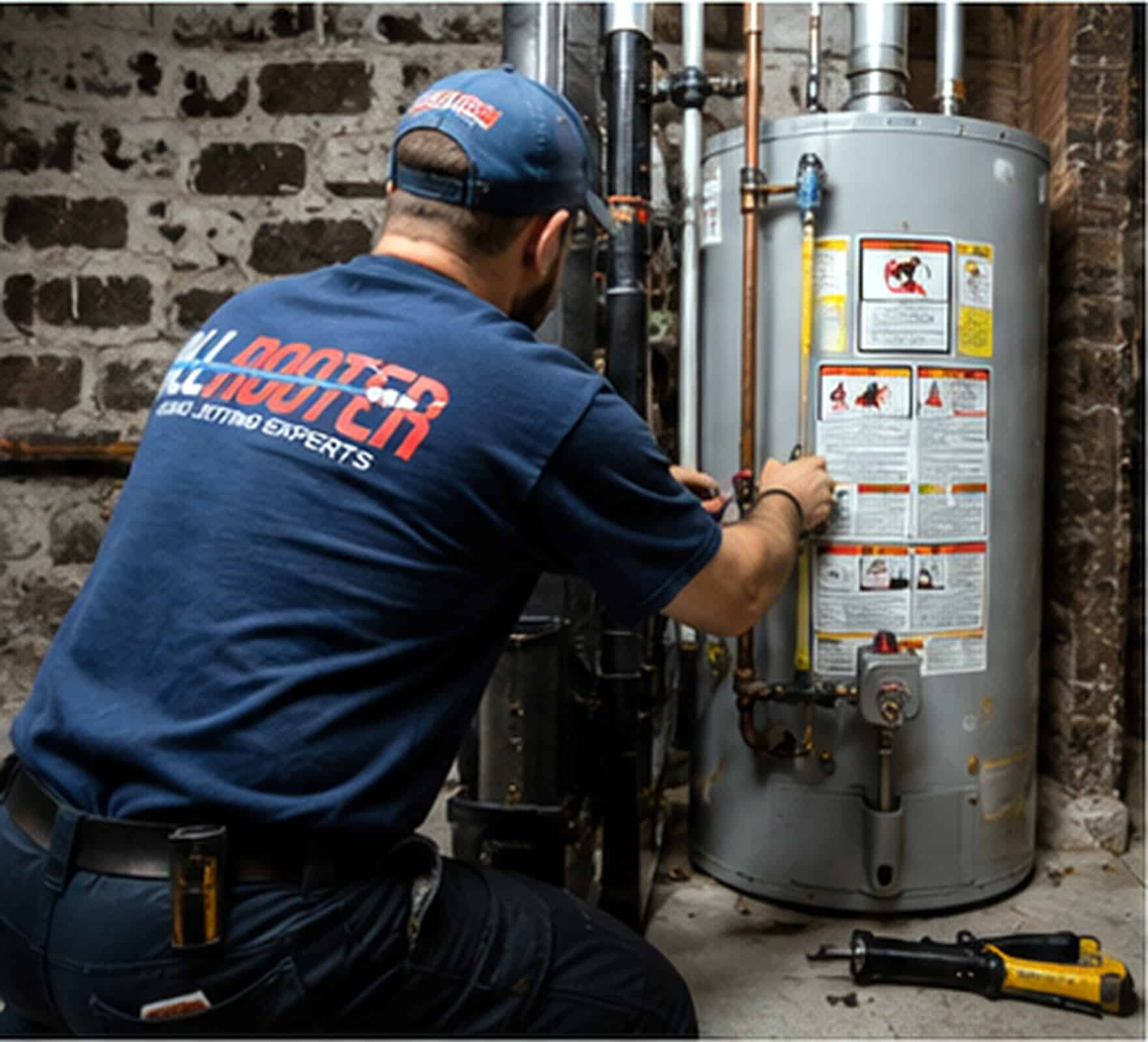
Septic hydro jetting is a professional cleaning method that uses high-pressure water to scour the inside of your septic lines. A specialized hose with a multi-directional nozzle gets inserted into your system, and water blasts out at pressures between 3,000 and 8,000 PSI—typically around 4,000 PSI for septic applications.
That’s roughly 100 times the pressure coming from your kitchen faucet. The nozzle sprays water in a 360-degree pattern, hitting every surface inside the pipe. Forward-facing jets punch through blockages while backward and side jets scrub the pipe walls clean, flushing everything down the line.
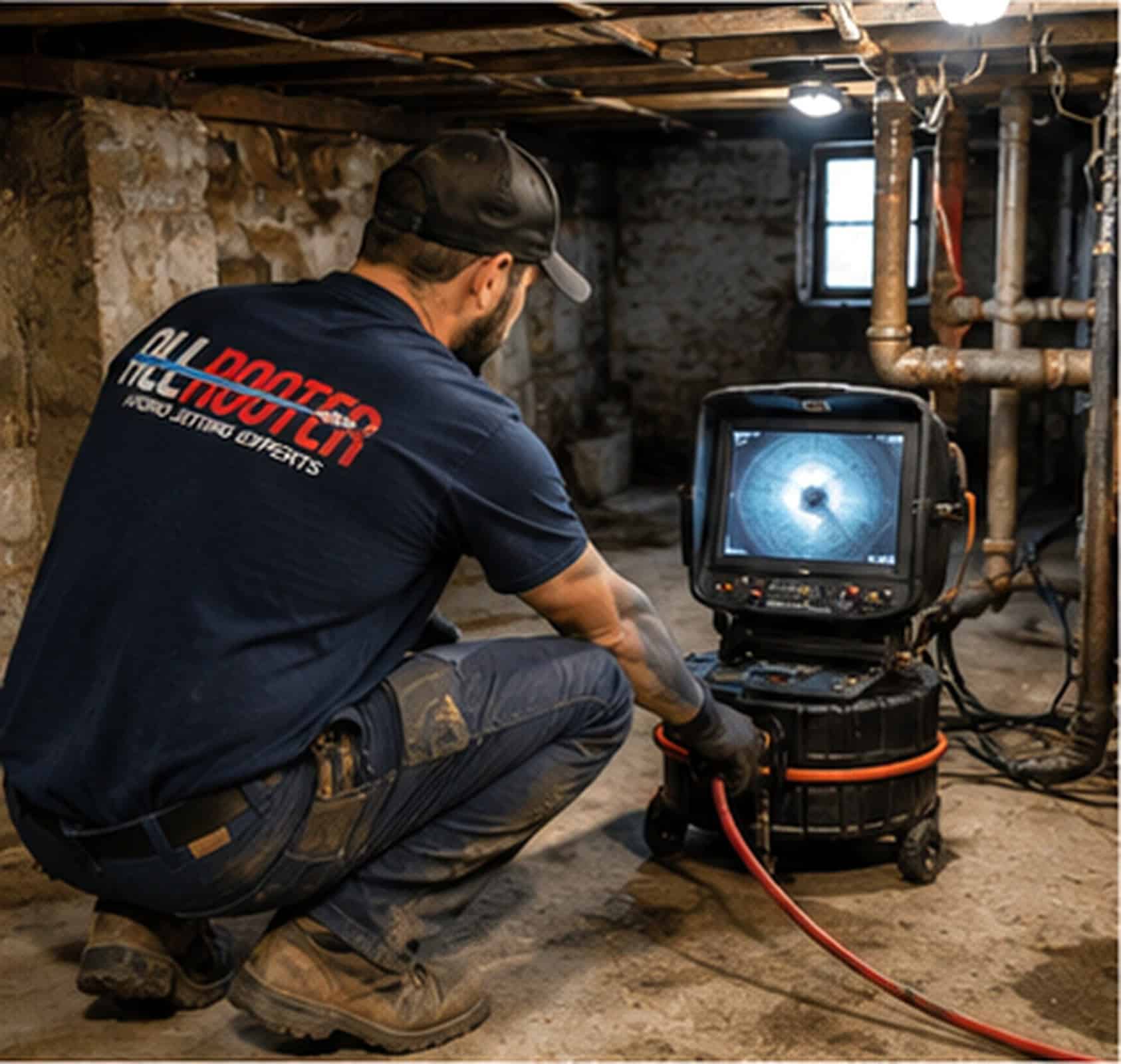
Before any jetting happens, a trained technician runs a camera inspection through your lines. This step isn’t optional. It shows exactly what’s causing the problem and confirms your pipes can handle the pressure without damage. After jetting, another camera check verifies the line is completely clear and flowing properly.
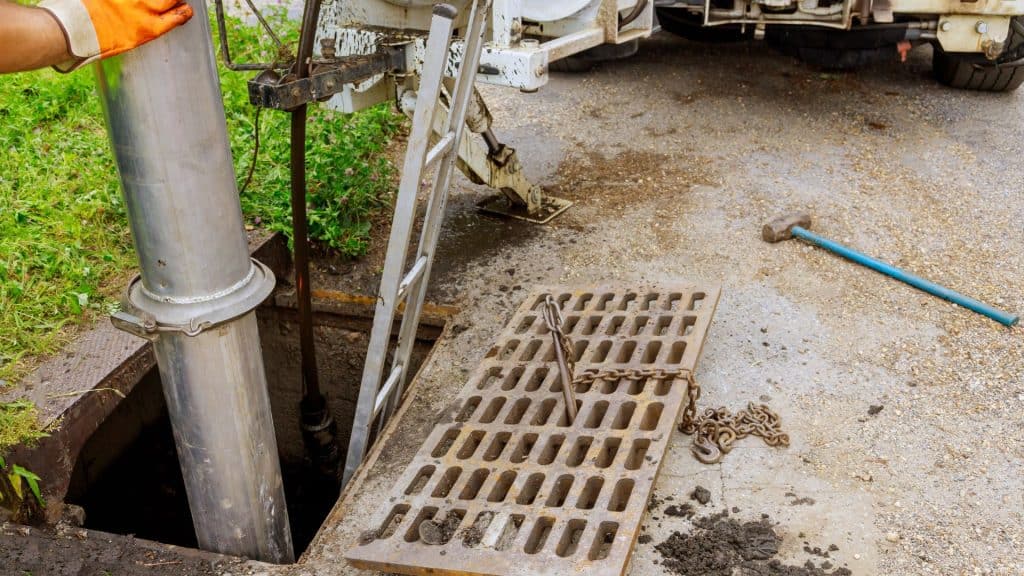
Snaking and hydro jetting serve different purposes, even though both address clogs. A plumbing snake is essentially a long cable with a cutting head that spins through the blockage. It pokes a hole through the clog so water can flow again. The problem? It leaves most of the buildup stuck to the pipe walls.
Think of it like drilling a tunnel through a mountain versus clearing the entire path. The tunnel works temporarily, but the mountain is still there. Within weeks or months, debris accumulates around that narrow opening, and you’re clogged again. That’s why people who rely on snaking often find themselves calling a plumber multiple times a year.
Hydro jetting takes a completely different approach. Instead of just breaking through the clog, it removes the buildup entirely. The high-pressure water scours grease, sludge, mineral deposits, soap scum, and even small tree roots off the pipe walls. What you’re left with is a clean pipe at its full diameter, not a narrow channel through accumulated gunk.
The results speak for themselves. Snaking might buy you a few months of relief. Jetting can keep your lines clear for years, especially when paired with regular septic maintenance. For Cook County homeowners dealing with recurring issues, that difference matters. You’re not just fixing today’s problem—you’re preventing next month’s emergency.
There’s also the issue of pipe damage. Augers can cause tiny cracks in pipe linings over time, especially with repeated use. Those small cracks turn into bigger problems down the road. Hydro jetting, when performed by experienced professionals with proper pressure settings, actually cleans without causing that kind of wear and tear.
Chemical drain cleaners seem convenient. Pour them down the drain, wait a bit, and hope for the best. For septic systems, though, they create more problems than they solve.
First, those harsh chemicals don’t just dissolve clogs—they also degrade the lining of your pipes. Sulfuric acid and sodium hydroxide eat away at pipe materials over time, weakening your entire system. What starts as a quick fix ends up shortening the lifespan of pipes that should last 25 years or more.
Then there’s what happens to your septic tank itself. Septic systems rely on beneficial bacteria to break down waste. Chemical cleaners kill those bacteria, disrupting the natural balance your tank needs to function properly. You might clear a clog today and create a tank problem tomorrow.
The environmental impact is another consideration. These chemicals don’t just disappear. They end up in your drain field, potentially contaminating groundwater and soil. In Cook County, where many septic systems are in areas near water sources, that’s not just your problem—it affects the community.
Hydro jetting uses plain water. No chemicals, no toxic fumes, no damage to beneficial bacteria. It’s powerful enough to clear stubborn blockages but safe for your pipes, your septic tank, and the environment. For homeowners who want a solution that actually solves the problem without creating new ones, that matters.
The effectiveness difference is significant too. Chemicals might dissolve some organic material, but they don’t touch mineral buildup, tree roots, or hardened grease. Hydro jetting handles all of it. You’re not gambling on whether the chemical will work—you’re getting a thorough, mechanical cleaning that removes everything in its path.
Not every slow drain needs hydro jetting. A simple hair clog in your shower? That’s a job for a basic snake or even a plunger. But when you’re dealing with septic system issues, the stakes are higher and the problems tend to be more complex.
Recurring clogs are the biggest red flag. If you’ve had your lines snaked multiple times and the problem keeps coming back, you’re dealing with buildup that snaking can’t remove. That’s when jetting becomes the right call. It addresses the root cause instead of just treating symptoms.
Multiple slow drains throughout your home point to a main line issue. When your kitchen sink, bathroom drains, and toilets all start acting up around the same time, the problem is likely in the line between your house and septic tank. That’s prime territory for hydro jetting.
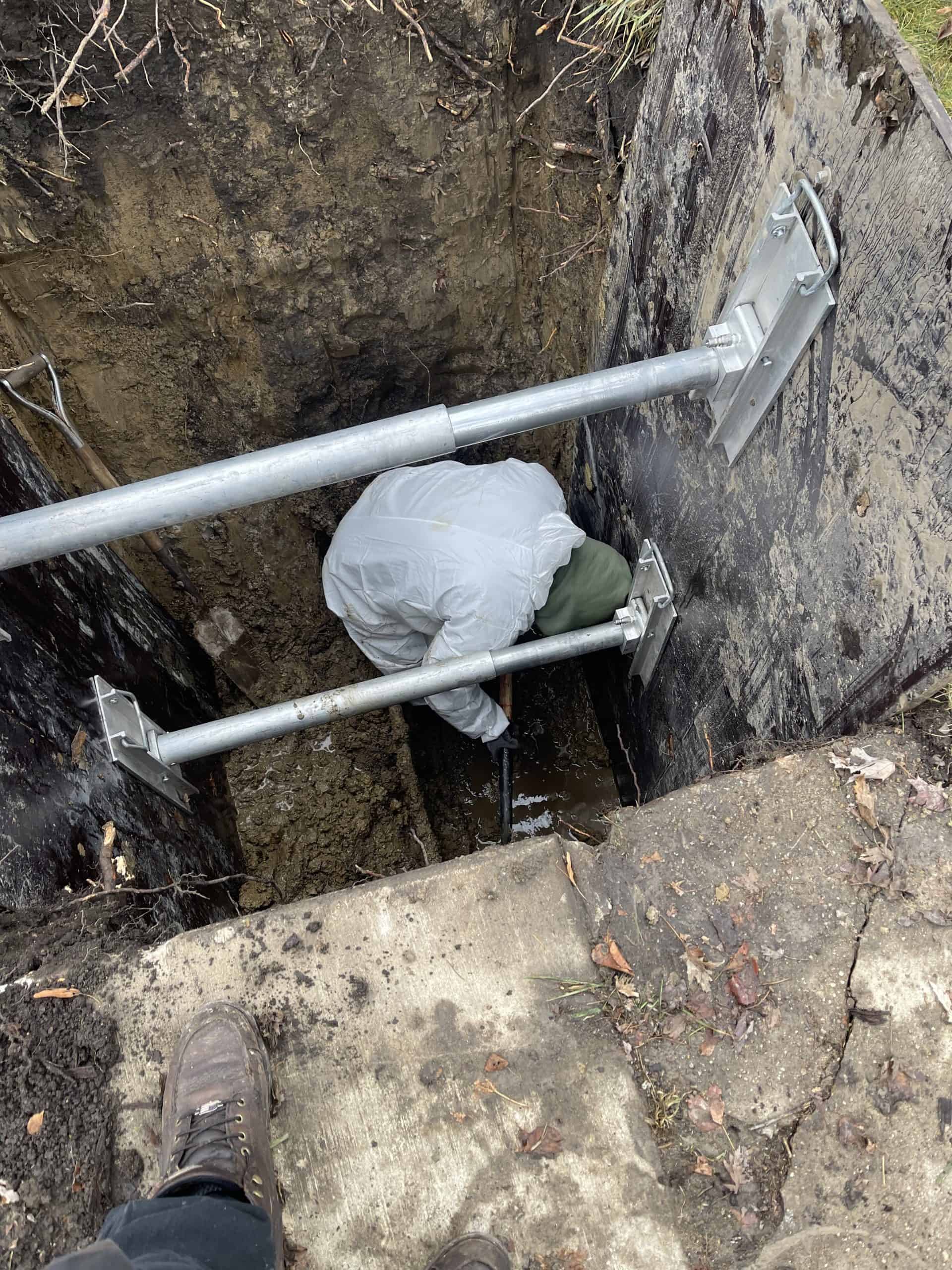
Septic pumping and hydro jetting serve completely different functions, even though both are essential maintenance tasks. Understanding the difference helps you know what your system actually needs.
Pumping removes the solid waste and sludge that accumulates in your septic tank. This should happen every one to three years, depending on your household size and usage. It’s preventative maintenance that keeps your tank from overflowing and protects your drain field from getting clogged with solids.
Jetting, on the other hand, cleans the pipes—specifically the inlet line from your house to the tank and the outlet line from the tank to the drain field. These lines can get coated with grease, soap residue, and other buildup that pumping doesn’t touch. When those lines get restricted, you end up with slow drains even though your tank has plenty of capacity.
Here’s where it gets interesting for Cook County homeowners: the two services work best together. If your drains are slow and you haven’t pumped in a while, pumping might be the first step. But if you pump the tank and the drains are still slow, that’s a clear sign you need jetting to clear the lines.
Some situations call for jetting before pumping. If your inlet line is so clogged that the pump truck can’t get proper flow, jetting that line first makes the pumping more effective. We’ll assess your specific situation and recommend the right sequence.
The timing matters too. Jetting every 18 to 22 months as preventative maintenance can keep buildup from ever becoming a problem. That’s especially valuable in areas like Cook County where older homes might have cast iron pipes that accumulate buildup faster than modern PVC.
Think of it this way: pumping empties the tank, jetting cleans the highways leading to and from it. Your system needs both to function properly. Skipping either one is like changing your oil but never replacing your air filter—you’re only doing half the job.
Your septic system sends signals when something’s wrong. Recognizing them early can save you from a complete system failure and the expensive emergency repairs that come with it.
Gurgling sounds coming from your drains are one of the first warnings. When air gets trapped in lines with restricted flow, you hear that distinctive gurgling when water tries to push through. It’s your pipes telling you there’s a buildup problem that needs attention.
Foul odors around your septic system or coming from drains indicate waste isn’t flowing properly. Sewage shouldn’t back up far enough to create smells inside your home. If it is, you’ve got a serious blockage that jetting can address before it becomes a backup.
Standing water or unusually lush patches in your yard near the drain field suggest your system can’t handle the wastewater load. Sometimes this is a tank issue, but often it’s because the lines leading to the field are partially blocked. Jetting can restore proper flow and prevent field saturation.
Multiple fixtures backing up at once is never a good sign. When your toilet, shower, and sink all start having problems simultaneously, the blockage is in your main septic line. That’s exactly what hydro jetting is designed to fix.
Slow drainage that gets progressively worse over time shows buildup accumulating in your lines. You might notice your kitchen sink draining a bit slower this month than last month. That gradual decline means layers of grease and debris are coating your pipes. Catching it early with jetting prevents a complete blockage.
For Cook County homeowners, seasonal patterns matter too. If you notice problems getting worse in spring after winter thaw or during heavy rain periods, it might indicate tree root infiltration or soil pressure affecting your lines. Hydro jetting can cut through those roots and restore flow, though you may need to address the root source to prevent recurrence.
Septic hydro jetting isn’t always the answer, but when it is, it’s often the only real solution. Traditional methods have their place—snaking works fine for simple clogs, and regular pumping is non-negotiable for tank maintenance. But when you’re dealing with recurring issues, multiple slow drains, or years of buildup, jetting offers something the other methods can’t: a complete, long-lasting clean.
The key is working with professionals who understand Cook County septic systems and know how to assess whether your pipes can handle high-pressure cleaning. A proper camera inspection before any jetting happens protects your system and ensures you’re getting the right service for your specific situation.
If you’re tired of temporary fixes and ready for a solution that actually lasts, we can evaluate your system and provide honest recommendations. Not every problem needs jetting, and you won’t be sold services you don’t need. What you will get is transparent pricing, local expertise, and professional service that keeps your septic system functioning the way it should.
Article details:
Share:
Continue learning: