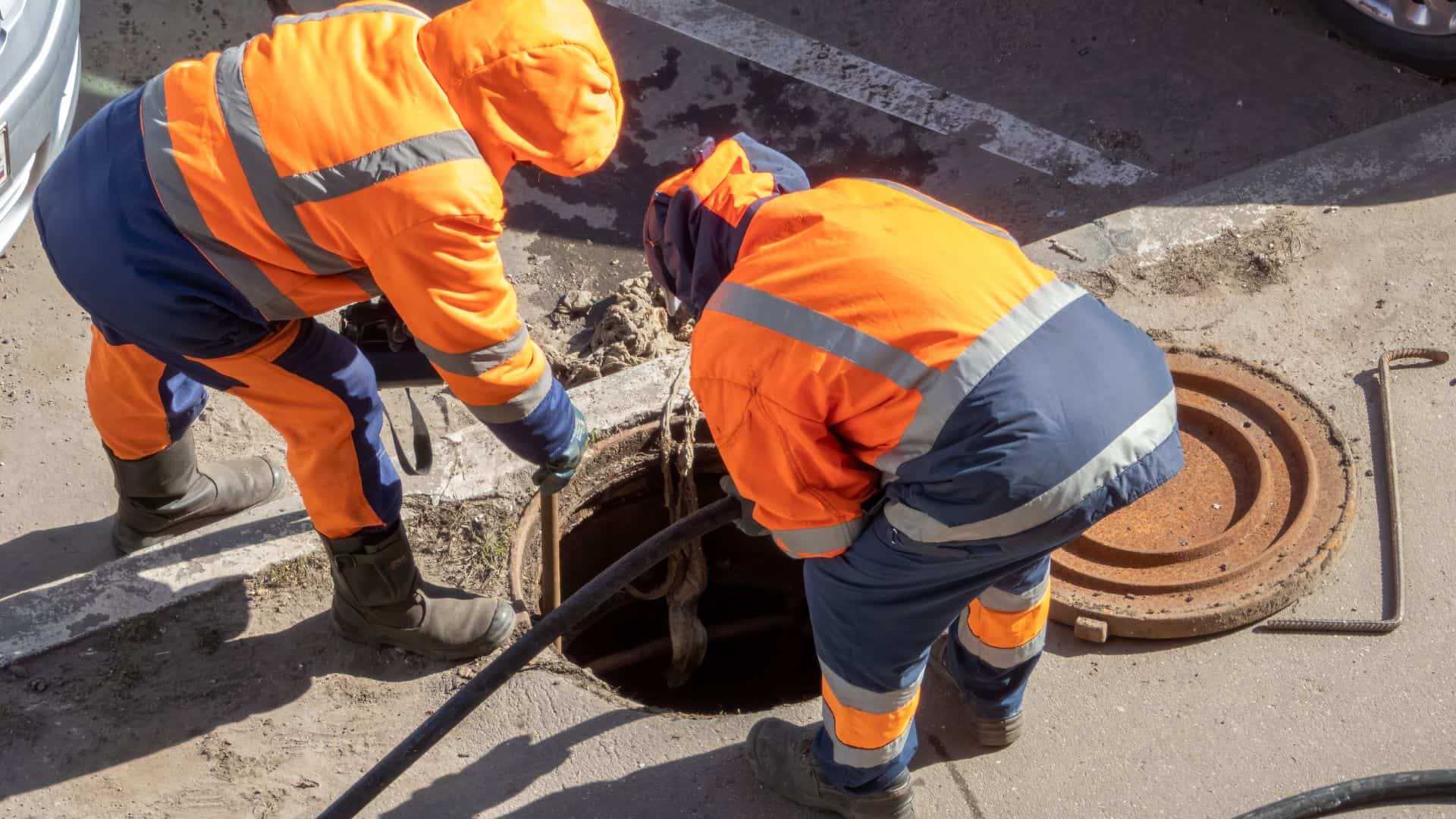
If your sewer line keeps clogging after snaking, the fix probably wasn't deep enough. Here's what to look for when comparing contractors in Cook County, IL.
Share:

Summary:
You’ve probably already had someone out. Maybe twice. The drain clears, things seem fine for a few weeks, and then the same backup happens again — same drain, same smell, same frustration. At that point, you’re not just looking for a plumber. You’re looking for someone who can actually explain what’s happening and fix it for good.
Choosing between sewer line contractors in Cook County isn’t just about who picks up the phone first. It’s about understanding what’s going on inside your pipes, what method actually matches the problem, and what questions to ask before you agree to anything. This post gives you a straight answer on all three.
A main line sewer blockage isn’t the same as a slow kitchen drain or a clogged bathroom sink. When the main line is blocked, the whole system backs up — multiple drains slow down at once, toilets gurgle when you run the washing machine, and in serious cases, sewage comes up through the lowest drain in the house. That’s your main line telling you it’s done tolerating whatever is built up inside it.
The reason it keeps coming back usually has nothing to do with bad luck. It has to do with what’s actually causing the blockage — and whether the method used to clear it addressed the cause or just the symptom.
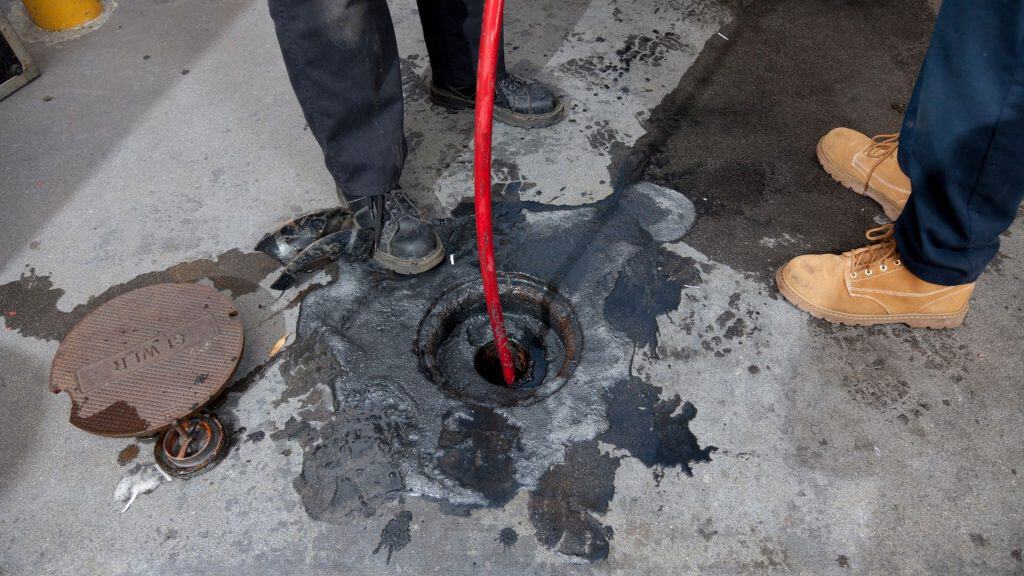
In Cook County, the most common culprits behind a recurring main sewer line blockage are tree root intrusion, grease and scale buildup, and deteriorating pipe materials — and most homes here are dealing with all three at once.
Tree roots cause roughly half of all sewer line blockages in the U.S., and Cook County’s residential streets are lined with mature oaks, maples, elms, and cottonwoods that have been growing for decades. Their root systems follow moisture, and a clay tile pipe with even a hairline crack at a joint is enough of an opening to invite them in. Once roots get inside, they don’t just block the pipe — they anchor themselves and keep growing. Clearing them with a snake removes what’s visible, but the root structure remains and regrows quickly.
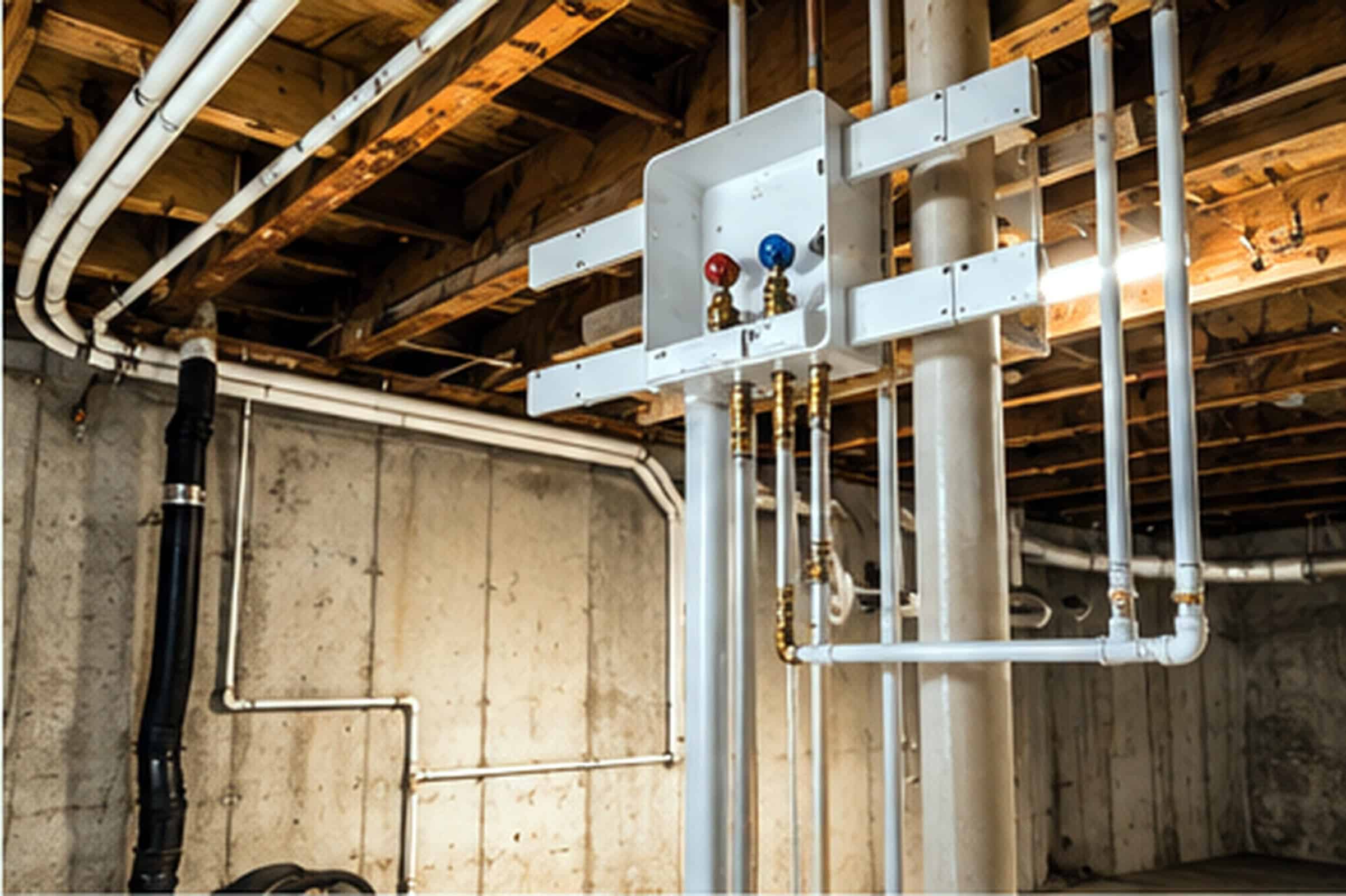
Then there’s the pipe material itself. A significant share of Cook County homes in neighborhoods like Gage Park, Brighton Park, Marquette Park, and Chicago Lawn were built between the 1920s and 1950s. Those homes were plumbed with clay tile sewer laterals that are now 70 or more years old. Clay tile develops cracks and loose joints over time, especially in Cook County’s clay-heavy soil, which shifts and compresses with every freeze-thaw cycle Chicago winters bring. Cast iron interior drain lines from the same era corrode from the inside out, narrowing the pipe’s diameter and creating rough surfaces where grease and debris catch and accumulate.
Grease is its own problem. It doesn’t travel cleanly through pipes — it cools, sticks to the walls, and builds up layer by layer over years. A snake punches through it. Hydro jetting removes it entirely.
When you combine 70-year-old clay tile pipes, mature trees in the parkway, and decades of grease accumulation, you get a system that will keep blocking no matter how many times it gets snaked — because snaking never actually cleans the pipe. It only opens a temporary path through whatever is in the way.
There’s a difference between a one-time clog and a pipe that’s telling you something is structurally wrong. The signs that you’re dealing with the latter are usually pretty clear once you know what to look for.
If multiple drains in your home are slow at the same time, that’s a main line issue — not a branch line clog. If your toilet gurgles when you run the dishwasher, or water backs up into the tub when you flush, the blockage is downstream of everything else. If you’ve had the line snaked in the last 12 to 18 months and the problem is back, the method isn’t matching the problem.
Sewage odors coming from drains — even when nothing is visibly backed up — point to partial blockages or pipe damage that’s allowing gases to escape. That’s not a minor inconvenience. It’s a signal that the pipe’s condition deserves a closer look.
The right contractor won’t give you a diagnosis over the phone. They’ll run a camera through the line first — before recommending anything — so you can see exactly what’s happening inside the pipe. After the service, a good contractor will run the camera again to confirm the line is actually clear, not just passable. That second camera check is something homeowners in Cook County consistently mention as the moment they felt confident the job was actually done right. It’s not standard practice across the industry. It should be, but it isn’t.
If a contractor skips the camera entirely and goes straight to recommending the most expensive repair on the menu, that’s a red flag. So is a verbal-only estimate with no written breakdown of what the work includes and what it costs.
For a lot of homeowners, this is the question that brings them to a second opinion. Snaking is cheaper upfront — typically in the $150 to $350 range for a residential job — and for a simple, one-time obstruction, it can be the right call. But snaking only clears a path as wide as the tip of the auger. It doesn’t clean the pipe walls. Whatever grease, scale, or root debris is clinging to the inside of the pipe stays there.
Hydro jetting uses high-pressure water to scour the entire interior of the pipe — not just punch through a clog, but actually clean the surface. After a proper hydro jetting service, the inside of the pipe looks close to what it did when it was first installed. That’s the difference between clearing a symptom and addressing the condition.

Hydro jetting isn’t always the right answer — and a contractor who recommends it without a camera inspection first isn’t giving you an honest assessment. But there are situations where snaking simply won’t hold, and pushing through it with another snake call is just delaying a larger problem.
If your Cook County home was built before 1970 and has never had a professional pipe cleaning — not just a snake, but an actual cleaning — there’s a reasonable chance the inside of your sewer lateral has decades of buildup on the walls. Hydro jetting every 18 to 24 months is a reasonable preventive interval for homes in that category, especially if there are mature trees anywhere near your sewer line.
If you’ve had the same drain snaked more than once in the past year or two, that’s a strong signal the underlying condition — grease buildup, root intrusion, or scale accumulation in corroding cast iron — is still present. Hydro jetting addresses all three. It removes the grease, it cuts through root material and flushes the debris out of the pipe, and it strips scale from the interior walls of cast iron lines that have been corroding for decades.
For commercial properties — restaurants, apartment buildings, multi-unit residential — hydro jetting isn’t optional. The volume of grease and waste that moves through those systems makes periodic snaking a maintenance exercise in futility. A thorough hydro jetting service clears the system completely and gives you a realistic baseline for how often it needs to be done.
One thing worth knowing: hydro jetting is not appropriate for every pipe. If a pipe is already cracked, badly corroded, or structurally compromised, high-pressure water can cause further damage. That’s exactly why a camera inspection has to come first. Any contractor recommending hydro jetting without inspecting the pipe condition beforehand is cutting corners.
Price is the most obvious comparison point, but it’s often the least useful one. A lower quote that skips the camera inspection, uses snaking on a pipe that needs hydro jetting, and offers no warranty on the work is not a better deal — it’s a more expensive problem deferred by a few months.
Here’s what actually matters when you’re comparing sewer line contractors in Cook County.
Licensing is non-negotiable. Illinois is one of only two states in the country with a statewide plumbing licensing requirement, governed by the Illinois Plumbing License Law. If you’re in Chicago proper, there’s a second layer: the City of Chicago Department of Buildings requires its own contractor license on top of the state credential. A legitimate contractor operating in Cook County holds both, plus a surety bond and business insurance. If a contractor can’t confirm those credentials, move on.
Ask whether they do a camera inspection before recommending any work. Not after, and not as an optional add-on — before. A contractor who diagnoses your sewer problem without seeing inside the pipe is guessing. You shouldn’t be paying for guesses.
Ask about post-service verification. After the work is done, will they run the camera again to show you the pipe is clear? This step is more common in homeowner reviews than it is in contractor marketing, which tells you something about how rarely it’s actually offered as a standard practice. When it happens, homeowners notice. It’s the difference between being told the job is done and being shown the job is done.
Ask for a written estimate with itemized costs before anything starts. Verbal quotes are not commitments. If the price changes between the phone call and the invoice, you have no recourse without something in writing.
Finally, ask whether they offer any warranty on their work. A contractor confident in the quality of what they do will stand behind it. One who isn’t will make it very difficult to get a straight answer on this question.
We’ve been doing this work in Cook County since 2000. We know what’s under these streets — the clay tile laterals in Back of the Yards, the corroding cast iron in Brighton Park, the root systems that follow the old parkway elms on every residential block between here and Oak Park. We use camera inspection before and after every sewer job, we provide written upfront pricing before any work begins, and we offer financing through Hearth for larger repairs so cost doesn’t force you into a half-measure.
If your sewer line keeps backing up after snaking, the problem isn’t bad luck — it’s a mismatch between the method and what’s actually going on inside the pipe. Cook County’s aging housing stock, mature tree canopy, and clay-heavy soil create sewer conditions that demand more than a temporary fix.
The right contractor will inspect before they recommend, show you the evidence, put the price in writing, and stand behind the work. Those aren’t high standards — they’re the baseline for what honest service looks like.
If you’re ready to stop managing the same problem on repeat and actually get it resolved, reach out to All Rooter Hydro Jetting Experts Inc. We offer free estimates, same-day availability, and 25 years of experience with the specific plumbing challenges Cook County homes present. Call or text us at 708-669-3570.
Article details:
Share:
Continue learning: