What every Cook County homeowner should know about frozen pipes — before January turns your morning routine into a plumbing emergency.
Share:

Summary:
Most Cook County homeowners don’t think about their pipes until the faucet runs dry on a January morning. By then, the damage may already be done. Chicago’s winters don’t just get cold — they get catastrophically cold. Polar vortex events, sustained wind chills, and weeks of below-freezing temperatures create conditions that no amount of luck can reliably survive. The good news is that frozen pipes are largely preventable, and knowing what to look for makes all the difference. Here’s what you actually need to know — before the next cold snap turns into a crisis.
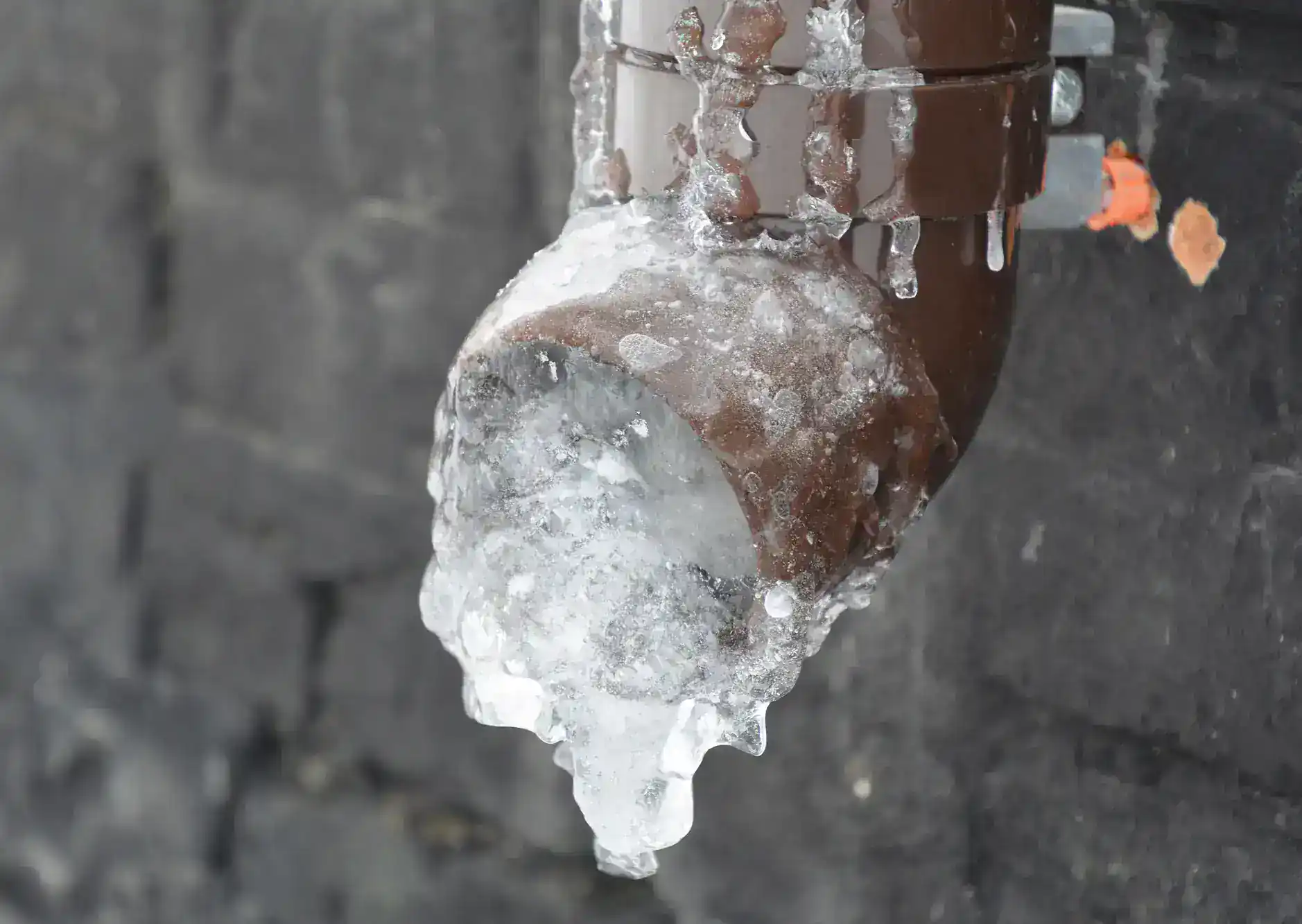
Water expands by roughly 9% when it freezes. That doesn’t sound like much until you picture that expansion happening inside a rigid pipe with nowhere to go. The pressure builds until something gives — and what gives is usually the pipe itself, often at a hairline crack you’ll never see coming.
In Cook County, the risk isn’t just about cold weather in general. It’s about the specific combination of extreme temperatures, relentless wind, and aging housing stock that makes this area one of the more challenging environments for residential plumbing in the country. When the polar vortex rolls in and temperatures drop to -10°F or lower — as they did in 2019, when Chicago hit -23°F, the coldest recorded temperature in the city’s history — pipes that have held up for decades can suddenly fail.

Not all pipes face the same risk. Location matters more than most people realize, and in Cook County’s housing stock, there are a few specific situations that come up again and again.
Pipes running through exterior walls are among the most vulnerable. In Chicago’s older bungalows — and there are roughly 100,000 of them built between 1910 and 1940, concentrated on the Northwest, Southwest, and South Sides of Cook County — the wall insulation between the pipe and the outside air is often minimal by modern standards. When wind chills push the effective temperature well below zero, those pipes are essentially sitting in a refrigerator with the door open.
Pipes in unheated or minimally heated basements are another common problem. A lot of Cook County homes have full basements that stay cold in winter, and supply pipes running along exterior basement walls are exposed to temperatures that can drop fast during a cold snap. The same goes for pipes in unheated garages, crawl spaces, and utility rooms that share a wall with the outside.
Chicago’s two-flats and three-flats add another layer of complexity. These buildings — a uniquely Chicago housing type found throughout Cook County neighborhoods like Pilsen, Bridgeport, Logan Square, and Cicero — have shared plumbing configurations where a single frozen pipe can cut off water to multiple units at once. One problem becomes everyone’s problem.
Then there’s the pipe material itself. Many pre-1940s homes in Cook County still have galvanized steel pipes that have corroded internally over the decades. That corrosion narrows the pipe’s interior diameter and makes the walls weaker — meaning they’re more susceptible to freezing and more likely to crack under pressure when they do. If your home was built before 1960 and hasn’t had a plumbing update, there’s a real chance the pipes inside your walls are working harder than they should be.
The wind chill factor is worth taking seriously too. Chicago’s position on Lake Michigan creates wind patterns that accelerate heat loss from east-facing building facades. A night that’s 15°F on the thermometer might feel — and behave — like -5°F against the side of your house. That gap between the official temperature and what your pipes are actually experiencing is where a lot of freeze events originate.
The most obvious sign is a faucet that produces nothing — or barely a trickle — when you turn it on during or after a cold stretch. But there are subtler signs worth knowing before you reach that point.
Frost on an exposed pipe is a clear visual indicator. If you can see a pipe in your basement, garage, or crawl space and there’s visible frost on the outside of it, the pipe is frozen or very close to it. Don’t wait on that one.
Unusual smells coming from a drain or faucet can also signal a problem. When a pipe freezes, it can create a partial blockage that traps odors. It’s not a definitive sign on its own, but combined with cold weather and reduced water pressure, it’s worth paying attention to.
A sudden drop in water pressure throughout the house — not just at one fixture — often means the freeze is somewhere in a main supply line rather than a branch pipe. That’s a more serious situation because it affects the whole home at once.
If you notice any of these signs, the most important thing to do first is locate your main water shutoff valve and make sure you know how to operate it. If the pipe has already cracked and is about to burst during the thaw, being able to cut the water supply immediately can be the difference between a manageable repair and a flooded basement. In Cook County homes, the shutoff is typically near the water meter, which is often in the basement near the front of the house.
One thing to avoid: using an open flame, propane torch, or any high-heat device to thaw a frozen pipe yourself. It’s one of the most common causes of house fires in winter, and it can also cause a sudden burst by creating extreme heat in one spot while the rest of the pipe remains frozen and pressurized. If you’re not sure where the freeze is or how extensive it is, that’s the moment to call a professional.
Prevention is almost always cheaper than repair. The average insurance claim for frozen pipe damage has climbed sharply in recent years — State Farm reported that between 2024 and mid-2025, the average payout exceeded $30,000. That’s not counting the disruption, the mold remediation (mold can start growing within 24 to 48 hours of water intrusion), or the weeks it can take to fully restore a home.
The good news is that most frozen pipe events are preventable with a few targeted steps taken in the fall, before the first serious cold snap arrives.
The standard advice — keep your thermostat above 55°F, open cabinet doors under sinks on exterior walls, let faucets drip during extreme cold — is all valid. But in Cook County, there are a few additional steps that matter more than they would in a milder climate.
Pipe insulation is one of the highest-value investments you can make in an older Cook County home. Foam pipe sleeves are inexpensive and easy to install on exposed pipes in basements, crawl spaces, and garages. For pipes in exterior walls where you can’t easily access them, heat tape — an electrically heated wrap that you plug in — is a practical option. Just make sure it’s rated for the type of pipe you have and installed according to the manufacturer’s instructions.
If you have a basement that tends to stay cold, consider whether there are any gaps or cracks in the foundation or rim joists that are letting cold air in around the pipes. Air sealing those gaps with spray foam or caulk can make a meaningful difference in how cold the space gets during a polar vortex event.
For homes with pipes in an attached but unheated garage, keeping the garage door closed as much as possible during cold snaps is a simple habit that helps. If water supply lines run through that garage, it’s worth considering whether they can be insulated or rerouted.
One thing that often gets overlooked: if you’re leaving town for any stretch of time during winter, don’t turn the heat all the way down. Keeping the thermostat at a minimum of 55°F — even when the house is empty — is the standard recommendation, but in a Cook County home with older insulation or exterior wall pipes, going a few degrees higher is a reasonable precaution. The cost of a slightly higher heating bill is negligible compared to coming home to a burst pipe.
Disconnecting and draining outdoor hose bibs before the first hard freeze is another step that’s easy to skip and easy to regret. Even if your hose bib has a frost-free design, leaving a hose connected can defeat that protection by trapping water in the valve.
There’s a version of this situation where DIY works fine: you know exactly where the freeze is, the pipe is accessible, it hasn’t cracked, and you can safely apply gentle heat and restore flow without incident. That scenario exists, and it happens.
But there’s a much more common version where the freeze is somewhere inside a wall, under a floor, or in a section of pipe you can’t easily see or reach. Attempting to thaw it yourself — without knowing whether it’s already cracked, without professional-grade equipment to distribute heat safely, and without the ability to inspect the pipe afterward — is a real gamble. A pipe that looks fine after thawing can have hairline fractures that fail days or weeks later, often when you’re not home to catch it early.
Calling a licensed plumber also matters for your homeowners insurance claim. Most standard policies cover sudden and accidental water damage from a burst pipe, but they typically require that the home was properly maintained and that reasonable steps were taken to prevent the damage. Having documentation of a licensed, insured professional doing the repair — rather than a DIY attempt that may have contributed to the failure — puts you in a much stronger position when you file a claim.
In Cook County, plumbers working in the City of Chicago must be familiar with the Chicago Plumbing Code, which is distinct from the state code. That’s not a minor detail — it affects how repairs are documented and whether the work meets local requirements. When you’re dealing with an insurance claim or a permit-required repair, that distinction matters.
We’ve been handling frozen pipe emergencies across Cook County since 2000, which means we’ve worked through every significant polar vortex event Chicago has seen in the past 25 years. We know the bungalows, the two-flats, the greystones, and the post-war ranches — and we know how their plumbing systems behave under extreme cold. When we arrive, we’re not guessing. We use professional-grade thawing equipment, we inspect for damage before we leave, and we give you upfront pricing before any work begins so there are no surprises on the bill.
If you’re dealing with a frozen pipe right now or want to get ahead of it before winter arrives, we’re available 24/7 and typically on-site within an hour. You can reach us by phone, text, or through any of the contact methods on our site.
Chicago winters are not forgiving, and Cook County’s older housing stock means a lot of homes are carrying more freeze risk than their owners realize. The pipes most likely to cause problems are the ones in exterior walls, unheated basements, and shared plumbing systems in multi-unit buildings — and the damage they can cause when they burst is measured in tens of thousands of dollars, not hundreds.
Prevention is the best move, and it doesn’t require much: insulate exposed pipes before the cold hits, keep the heat on when you’re away, and know where your main shutoff is before you need it. If you discover a frozen pipe and aren’t sure what you’re dealing with, err on the side of calling a professional rather than experimenting.
All Rooter Hydro Jetting Experts Inc has been serving Cook County homeowners through Chicago’s worst winters for over 25 years. If you have questions or need help — whether it’s a prevention consultation or a 2am emergency — we’re here.
Article details:
Share:
Continue learning: