Sewer line replacement costs in Chicago and Cook County vary widely depending on method, pipe condition, and timing. Here's what you actually need to know before calling anyone.
Share:
Summary:
When your drains start backing up or your yard develops a mysterious wet patch, the first thing most homeowners do is Google what this is going to cost. And then they find a national average that may or may not mean anything for a 1920s bungalow in Bridgeport or a two-flat in Berwyn.
The honest answer is that sewer line replacement cost in Cook County depends on several things — the method, the pipe material, the depth, and whether you’re dealing with a partial repair or a full replacement. This guide covers all of it, including what’s specific to Cook County, so you can walk into any conversation with a contractor knowing exactly what to ask.
Based on data from 342 completed projects in the Chicago area, the average sewer line replacement cost runs between $2,768 and $3,974. The full range stretches from $955 on the low end to over $7,166 for complex jobs — and that’s before factoring in permits, surface restoration, or the winter labor premium that applies when Cook County’s ground is frozen solid.
National averages from sites like Angi peg the typical range at $1,388 to $5,323, with a national average around $3,319. But Cook County isn’t an average market. Older housing stock, clay-heavy soil, and a freeze-thaw cycle that puts serious stress on underground pipes all push costs higher than what you’d see in a newer Sun Belt suburb.
Per linear foot, sewer line replacement generally runs $50 to $250 nationally, with $150 per foot being a reasonable midpoint for budgeting purposes. A 40-foot lateral at that rate puts you around $6,000 for the pipe work alone — not including permits or restoring whatever surface sits above it.
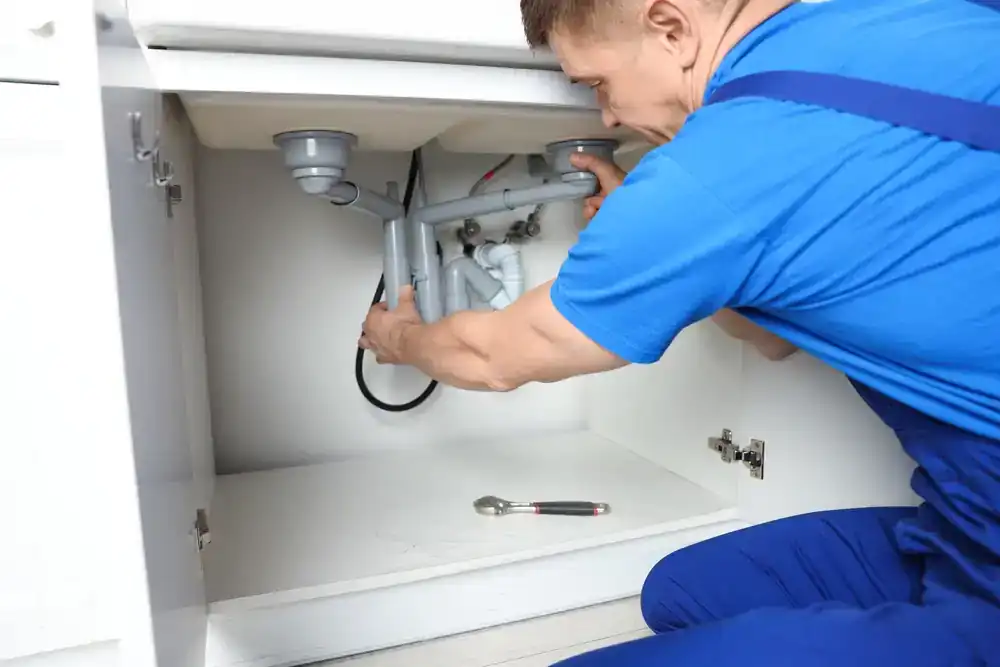
Cook County has a few characteristics that genuinely affect what you’ll pay, and most national cost guides don’t mention any of them.
First, the housing stock. Chicago and its inner suburbs — Cicero, Oak Park, Berwyn, Blue Island, Evergreen Park — have large concentrations of homes built before 1950. Many of those homes still have their original sewer laterals, which means clay tile pipe or Orangeburg (a compressed paper-and-tar composite that was common through the mid-20th century). Clay tile has a lifespan of 50 to 75 years under decent conditions. Orangeburg degrades faster. If your home is 70 to 100 years old and the sewer line has never been replaced, you’re likely dealing with a pipe that’s either already failing or close to it.
Second, the trees. Chicago’s mature tree canopy is beautiful, but silver maples, elms, and oaks send roots directly toward sewer pipe joints in search of moisture. Root intrusion is one of the top causes of sewer line failure in Cook County. In some cases, hydro jetting can clear the roots and extend the pipe’s life without replacement. In others, the roots have cracked the pipe and replacement is the only real fix.
Third, winter excavation. If your sewer line fails in January and traditional excavation is required, expect to pay more than you would in May. Digging through frozen Cook County ground adds 20 to 30 labor hours to a project compared to working in thawed soil. That’s a real cost that most quotes don’t call out separately, but it shows up in the final number.
Finally, permits. Cook County requires a plumbing permit for any sewer work that connects to the public system. In the City of Chicago, standard plan review can take four to twelve weeks for complex projects. In suburban Cook County municipalities, that typically drops to one to three weeks. Any contractor who tells you no permit is needed for a full sewer line replacement is either wrong or cutting corners — both of which create problems for you at resale.
This is the question that makes most homeowners nervous, and for good reason. A full replacement is a significant expense. A repair is not. The fear that a contractor will recommend the more expensive option regardless of what’s actually needed is legitimate — it’s one of the most common concerns we hear from homeowners before they call us.
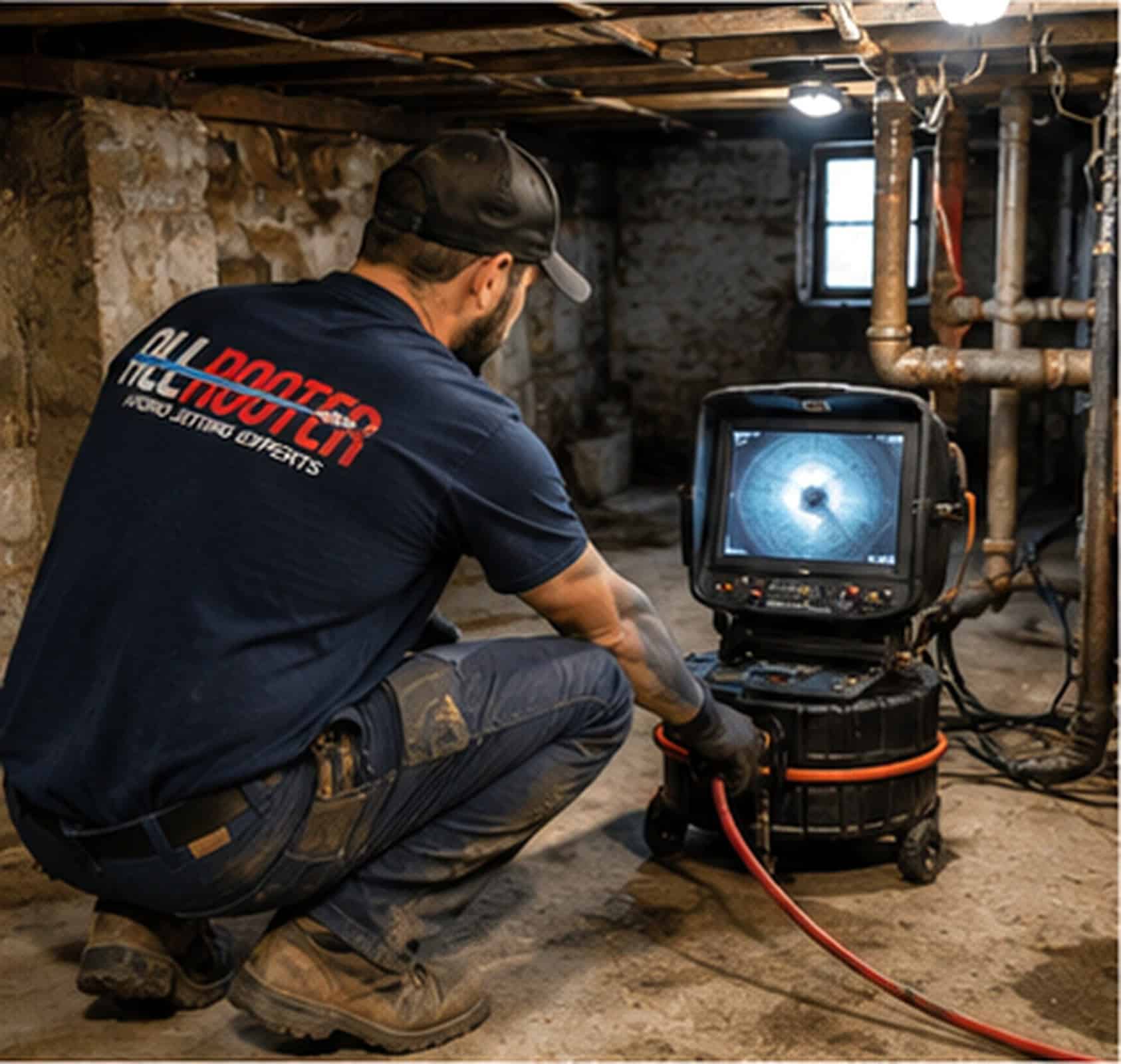
The honest answer is that no one should be recommending repair or replacement without first running a camera through the line. A video inspection — which typically costs between $100 and $500 — shows exactly what’s happening inside the pipe: where the damage is, how extensive it is, and whether a targeted repair or lining could address it. Any contractor who skips this step and jumps straight to a replacement recommendation isn’t doing you a service.
Minor issues like localized root intrusion, grease buildup, or a small crack in an otherwise sound pipe often don’t require replacement at all. Hydro jetting can clear severe blockages that rodding won’t touch, and in some cases that’s genuinely all the pipe needs. Moderate damage — a section of collapsed pipe, significant root infiltration across multiple joints — may require replacing just that section rather than the full lateral.
Full replacement makes sense when the pipe is structurally compromised along most of its length, severely misaligned, or made of a material like Orangeburg that can’t be lined or repaired in place. The camera tells the story. If you’re ever handed a replacement quote without being shown what the camera found, ask to see it — or get a second opinion before agreeing to anything.
Once you know replacement is actually necessary, the next decision is how. There are three main approaches, and the cost difference between them is significant enough that it’s worth understanding before you commit.
Traditional excavation involves digging a trench along the length of the damaged pipe, removing it, and installing new pipe. Trenchless methods — pipe lining and pipe bursting — accomplish the same result without tearing up your yard, driveway, or landscaping. Each has a place, and neither is universally the right answer.
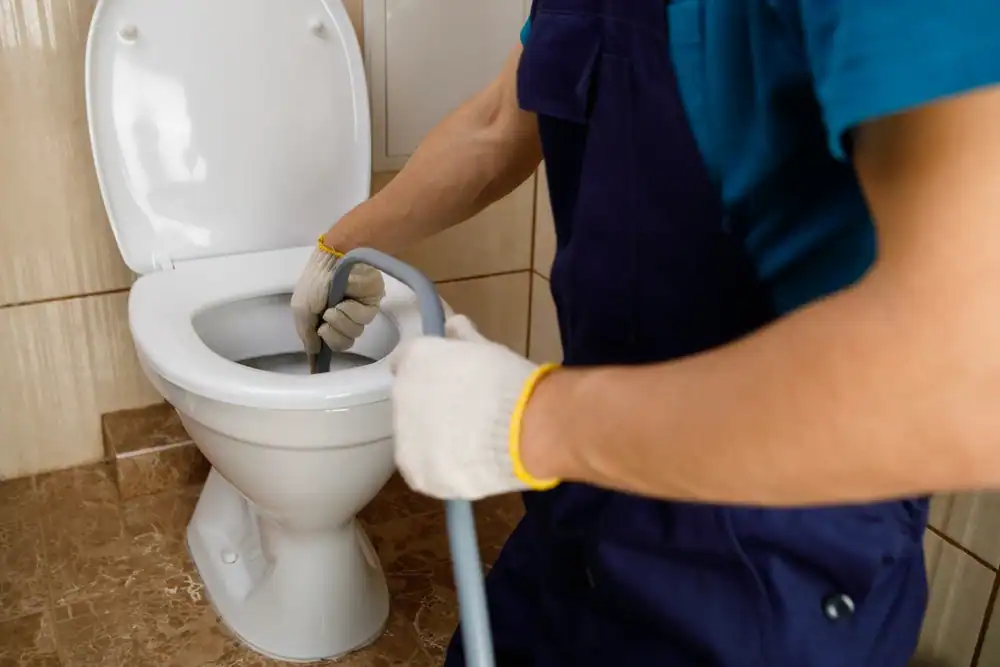
Trenchless sewer line replacement covers two distinct methods that often get lumped together, but they work differently and apply to different situations.
Pipe lining — also called CIPP, or cured-in-place pipe — involves inserting a flexible, epoxy-coated liner into the existing pipe and inflating it against the pipe walls, where it hardens into a new structural surface. The original pipe stays in place; the liner essentially becomes a new pipe inside the old one. When done correctly, CIPP lining can extend a pipe’s serviceable life by 50 years or more. It works well when the existing pipe is cracked or corroded but still largely intact and properly aligned. It doesn’t work on pipes that are fully collapsed or severely misaligned.
Pipe bursting is a different approach. A bursting head is pulled through the old pipe, fracturing it outward while simultaneously pulling a new pipe into place behind it. This method replaces the pipe entirely rather than lining it, and it can handle pipes that are too far gone for lining. It requires access pits at each end of the run but doesn’t require a full trench.
Both trenchless methods typically start around $6,000 for a full replacement and can reach $15,000 depending on pipe length, depth, and site conditions. That’s a higher upfront number than traditional excavation at $150 per linear foot — but traditional excavation doesn’t include the cost of restoring whatever was above the pipe. Driveway concrete, landscaping, hardscaping — those costs can easily add $2,000 to $5,000 or more to the total bill. When you factor in the full picture, trenchless often ends up comparable to or less expensive than traditional excavation, and your yard stays intact.
We use trenchless methods whenever the pipe’s condition makes it a viable option. It’s not always possible — some pipes are too severely damaged or misaligned — but it’s always the first thing we evaluate.
There are situations where traditional excavation is genuinely the best or only option, and it’s worth understanding when that’s the case rather than assuming trenchless is always superior.
Full excavation makes the most sense when the pipe has collapsed in multiple places, when it’s severely misaligned or has significant offset joints that a liner can’t bridge, or when the pipe material is so degraded that there’s nothing structurally sound enough to support a lining. It’s also sometimes the more practical choice when the pipe is very shallow and excavation is straightforward, or when other underground utilities or site conditions make trenchless access difficult.
The cost for traditional excavation runs $50 to $250 per linear foot for the pipe work itself. On a typical 40-foot residential lateral, that’s roughly $2,000 to $10,000 for the pipe replacement — before permits, before the cost of breaking through concrete or pavement, and before restoring the surface afterward. In Cook County, where many older neighborhoods have sewer laterals running beneath established driveways or mature landscaping, those restoration costs are real and should be included in any honest quote.
One thing to ask any contractor giving you an excavation quote: does this price include surface restoration, or is that a separate line item? The answer tells you a lot about how transparent the estimate actually is. A quote that looks reasonable on its face can grow significantly once the driveway is back open and the landscaping bill arrives.
For any job — trenchless or traditional — we pull the required permits, perform a camera inspection before recommending any approach, and give you the full picture of what the project involves before a single shovel moves.
Sewer line replacement is one of the bigger expenses a homeowner can face, and the range of quotes you might get for the same job — anywhere from $4,000 to $15,000 — reflects how much variation exists in what contractors include, what methods they use, and how transparent they’re willing to be about the full cost.
The most important thing you can do before agreeing to any sewer work is make sure a camera inspection has been done and that you’ve seen the results. From there, ask whether trenchless is an option, what the quote includes in terms of permits and surface restoration, and whether the price you’re given is the price you’ll pay.
If you’re in Cook County and want a straight answer on what your sewer line actually needs — and what it’s going to cost — All Rooter Hydro Jetting Experts Inc. has been doing this work in Chicago and surrounding Cook County communities since 2000. We offer free estimates, upfront pricing, and financing through Hearth for homeowners who need to spread the cost. Reach out by call, text, or online — we’re available around the clock.
Article details:
Share:
Continue learning: